Why Autism Support Starts With Families – An Interview with Blue Minds' Founder Carolina Alay
Blue Minds is a South Florida-based company, founded in 2014 to meet a growing community need for high-quality Applied Behavior Analysis (ABA) services delivered in natural, meaningful settings. From its inception, Blue Minds has embraced a holistic, family-centered model that actively involves parents, grandparents, teachers, and other professionals in each child's learning journey. By integrating therapy into real-life environments and fostering multidisciplinary collaboration, Blue Minds helps children build independence while empowering caregivers with the knowledge and confidence to support growth at home and beyond.
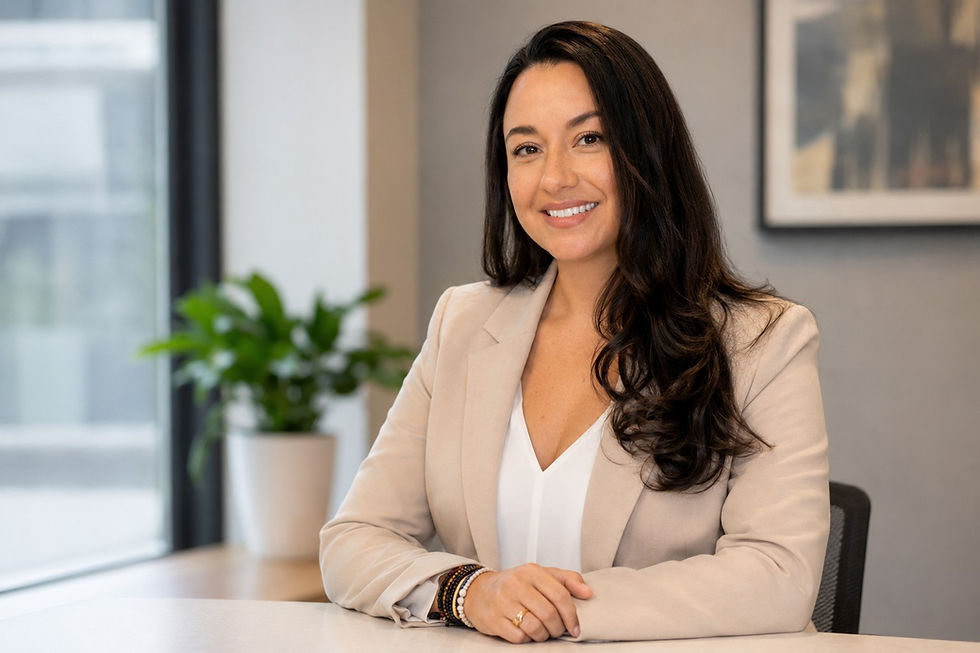
Carolina Alay, Founder & Executive Director of Blue Minds
What inspired you to build Blue Minds around families rather than traditional clinic-based ABA services?
Before founding Blue Minds, I worked for several well-known, center-based ABA companies and saw dedicated professionals helping children make meaningful gains. Yet I also noticed a recurring pattern: many clients remained in services for years without reaching discharge criteria. The issue was not an inability to learn; it was that skills mastered in carefully structured clinic rooms often did not transfer to home, school, or community life. Parents returned because progress was not consistently showing up where it mattered most. Over time, caregivers and children could also become accustomed to a drop-off model, making generalization outside the clinic even more difficult. I realized that if we wanted children to become independent, confident, and capable in everyday settings, therapy needed to take place within those settings. Blue Minds was built around families because lasting change happens when parents are empowered, children practice skills in natural environments, and learning is woven into daily routines. That approach makes progress more relevant, durable, and connected to the life each child is actually living.
How has delivering therapy in homes, schools, and community settings changed the way children develop independence?
Working in natural settings exposes children to the real rhythms and obstacles of everyday life, which is where independence is built. At home, a child may learn to manage a parent working nearby, a baby crying during a routine, or a family pet moving around at mealtime. At school, they interact with peers, adapt to different teaching styles, and communicate with multiple adults. These experiences are difficult to reproduce authentically in a clinic. Our model helps children cope with real-world variables rather than shielding them from every challenge. Learning is often strengthened when children encounter manageable demands with appropriate support, not when they are overwhelmed, but when they are gently stretched beyond what is familiar. Navigating natural obstacles gives them opportunities to adjust, solve problems, regulate themselves, and build confidence. Caregivers are part of that process, too. When parents witness learning firsthand, they feel more included and better prepared to support it. Their involvement smooths transitions, reinforces skills across settings, and helps progress last beyond formal therapy.
Blue Minds combines evidence‑based ABA with trauma‑informed and culturally sensitive care. Why is that balance so important today?
ABA has faced sustained scrutiny for years, especially in Florida, where cases involving fraud and unethical practices have damaged trust. Some families have also described feeling harmed rather than helped. The truth is that ABA can cause harm when it is implemented without appropriate safeguards, clinical judgment, or respect for the individual. Science without humanity can create real damage. That is why Blue Minds has chosen to go beyond basic compliance. Our team is trained in trauma-informed care, assent-based practices, and compassionate intervention models that prioritize emotional safety alongside skill development. Therapy should feel respectful, collaborative, and empowering, never forced or fear-based. Cultural responsiveness is equally important. Florida families bring distinct histories, languages, traditions, and expectations, so a one-size-fits-all approach cannot work. We design treatment around each child’s needs, the family’s values, and the environment in which they live. Balancing evidence with compassion and structure with humanity makes ABA more ethical, effective, and truly client-centered. It also helps families feel seen, respected, and safe.
What do you think the ABA industry still misunderstands about involving caregivers as active partners in a child's progress?
I believe most ABA practices want to involve parents. The intention is there, but many providers still struggle to determine the best approach. Parents of children with special needs are often exhausted, overwhelmed, and carrying more than most people understand. Yet analysts can unintentionally add tasks to already full plates and expect caregivers to implement strategies with the precision of trained therapists. Consistency matters, but it cannot come at the cost of compassion. We must meet parents where they are, acknowledge their limitations and lived reality, and adjust our expectations without lowering the quality of care. The first step is listening, truly listening. When we understand what parents are seeking, along with their fears, hopes, and priorities, we can tailor guidance so that it feels supportive rather than burdensome. Education comes next, but it should empower rather than overwhelm. Caregiver partnership is not about giving parents more to do. It is about helping them feel capable, included, and confident. When parents feel seen and supported, they become powerful partners in their child’s progress.
As demand for autism services continues to grow, where do you see the biggest opportunities to improve access without compromising quality?
The biggest opportunity is to expand support beyond traditional in-person ABA while maintaining strong clinical standards. Blue Minds is developing global caregiver coaching through an online platform staffed by bilingual therapists, allowing us to guide parents regardless of location, clinic access, or provider availability. In the United States, commercial insurance coverage for ABA is generally tied to an autism spectrum disorder diagnosis, although requirements vary by plan and state. Families raising children with other developmental, behavioral, or learning challenges may also benefit from ABA-informed strategies, yet many face limited options or high private-treatment costs. Even among children with formal diagnoses, not everyone needs 20–40 hours of weekly therapy. Some families primarily need targeted strategies, structure, emotional support, and consistent caregiver coaching. A flexible coaching model can provide high-quality, science-based guidance outside the traditional insurance framework while preserving professional oversight and cultural responsiveness. The future of ABA is not limited to clinic-based treatment. It includes accessible, appropriately scaled support that meets families where they are without compromising quality.
Blue Minds created an ESL program for Registered Behavior Technicians. What challenge did you see in the workforce that led you to develop it?
I saw a workforce full of passionate, talented people being held back by language barriers. Many Spanish-speaking RBTs understood the heart of ABA but struggled with the technical English required for documentation, competency assessments, and professional communication. Their potential was clear; they needed linguistic support to demonstrate it fully. As a business owner of Hispanic origin, helping Spanish-speaking professionals is personal. My family came to the United States from Colombia seeking safety and opportunity. My mother had been a university dean, yet she had to rebuild her career from the ground up. At 40, she learned English, earned a master’s degree in education, and eventually retired as a public-school teacher. Her journey taught me the power of determination and education. Creating an ESL program for RBTs honors that legacy. It gives skilled professionals a bridge to advancement, strengthens a workforce that reflects the families we serve, and helps the ABA field benefit from bilingual practitioners whose talent might otherwise be overlooked.
What is one practical shift parents can make at home that supports a child's learning beyond formal therapy sessions?
One practical shift parents can make is to regulate themselves before trying to guide their child. I encourage caregivers to pause and reconnect with something that once brought them joy, creativity, or calm. Adults can become consumed by responsibilities, routines, and endless to-do lists, but even a brief reset can change how they respond during challenging moments. One overwhelmed person cannot easily help another regulate; someone has to model calm. When parents take five minutes for a breath, a stretch, a favorite song, or a quiet moment, they often show up differently. Their tone softens, their patience grows, and their presence becomes more reassuring. Self-care does not need to be elaborate or time-consuming. The goal is not perfection, it is creating enough space to respond intentionally rather than react automatically. When caregivers regulate themselves first, they help create an emotional environment in which learning is more possible. Children feel safer to try, explore, communicate, and recover from frustration, extending the benefits of therapy into everyday family life.
Throughout your career, what belief has guided the way you support children, families, and professionals?
The belief that has guided me throughout my career is simple but powerful: there is always something you can do. No matter the challenge or circumstance, there is usually a step forward, a shift in perspective, or a new way to show up. I am a big dreamer, but I also believe strongly in setting intentions, taking action, and choosing how I meet the world each day. Life tests and stretches us, and difficult moments can become invitations to learn and grow. We have opportunities to share our strengths with others while also protecting our own well-being. This belief shapes how I support children, families, and professionals. I see each person as capable of meaningful growth, each challenge as a chance to discover a new response, and each interaction as an opportunity to model compassion, resilience, and hope. When we act with intention and care, we create environments where children can thrive, families feel empowered, and professionals can continue developing into their best selves.
If every family raising a neurodiverse child could take away one message from your work, what would you want it to be?
Your child is beautifully, uniquely, and authentically themselves. A diagnosis does not diminish their worth or determine their future. What matters is how the information helps you understand their strengths, needs, and daily experiences. Many parents understandably fear a diagnosis, but the label is not the whole child. It can offer clarity and help families identify appropriate support, education, opportunities, and environments. Once you understand what your child needs, you can take informed action rather than wait in uncertainty. A diagnosis is not an ending; it is a beginning and a roadmap. It can guide you toward professionals, resources, and strategies that make everyday life more supportive. Your child’s potential is not confined by a diagnostic label, nor does it rest on family effort alone. It is nurtured through love, consistency, opportunity, appropriate professional and community support, and belief in their capacity to grow. The most important message is to see the whole child, act with hope, and build conditions in which they can flourish.
Read more from Carolina Alay
Carolina Alay, Founder & Executive Director
Blue Minds was founded in 2014 in response to a growing community need for high-quality Applied Behavior Analysis (ABA) services delivered in natural settings. From the start, it embraced a holistic model that actively involved parents, grandparents, teachers, and other professionals in each child's plan. Blue Minds has shown that meaningful change happens when natural connections grow in a safe, compassionate environment, grounded in respectful, guilt-free discipline practices. The organization has received multiple awards for its work in inclusion and advocacy.