Why Are The Racial Disparities In Maternal And Infant Health Considered Persistent Crisis In The US
Updated: Dec 19, 2024
Written by Melissa Mitchell, Birth and Postpartum Doula
Melissa Mitchell is well-known for her loving and supportive energy, wealth of womb knowledge, and holistic approach to maternal and infant care. She is a birth advocate, budding herbalist, and dance-a-holic, using every opportunity to move her body and enjoy this life we've been given.

The United States continues to grapple with significant racial disparities in maternal and infant health outcomes, despite being one of the wealthiest nations in the world. Recent data paints a stark picture of these inequalities, particularly affecting Black women and infants.
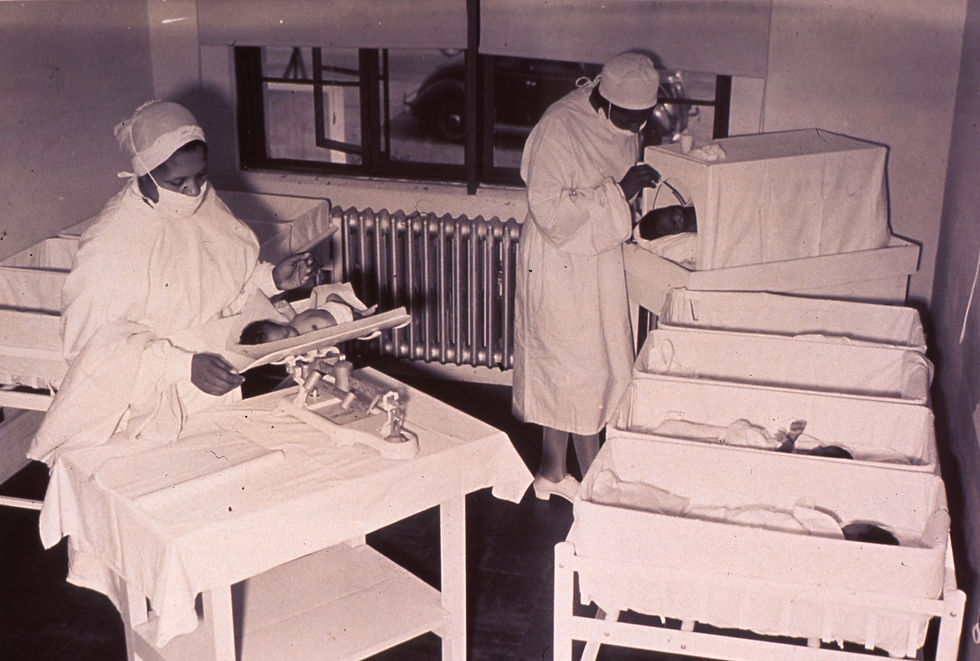
Maternal mortality rates in the U.S. reveal a troubling trend, with non-Hispanic Black women experiencing the highest rates at 49.5 deaths per 100,000 live births.⁴ This figure is more than double the rate for White women, which stands at 19.0 deaths per 100,000 live births.⁴
Hispanic and Asian women fare slightly better, with rates of 16.9 and 13.2 deaths per 100,000 live births, respectively.⁴ These statistics underscore a persistent and alarming racial gap in maternal health outcomes.
The disparities extend beyond maternal mortality to infant health as well. While specific rates for 2021 and 2022 were not detailed in the provided information, historical data shows significant racial and ethnic differences in infant mortality rates.⁶ The overall infant mortality rate (IMR) for the United States masks these disparities, with the non-Hispanic Black population experiencing an IMR of 10.8 per 1,000 live births, compared to 4.6 for non-Hispanic White infants.⁶
These health inequities are deeply rooted in systemic issues. Factors contributing to these disparities include inadequate access to quality healthcare, discriminatory treatment by healthcare providers, and the pervasive effects of systemic racism.¹ Socioeconomic factors such as income, education levels, and residential environments also play crucial roles in determining health outcomes.²
The recent overturning of Roe v. Wade is expected to exacerbate these disparities, particularly affecting people of color who already face higher structural barriers to healthcare. This development adds another layer of complexity to an already challenging situation, potentially widening the existing gaps in maternal and infant health outcomes.
In response to these persistent disparities, various government agencies and healthcare organizations are taking action. The Centers for Medicare & Medicaid Services (CMS) and the Health Resources and Services Administration (HRSA) have shared action plans and funding commitments aimed at improving maternal and child health.³⁷
“We have heard loud and clear that many women do not feel listened to or supported during their birth experience, and the current rate of maternal morbidity and mortality is deeply concerning,”– CMS Deputy Administrator and Innovation Center Director Liz Fowler.
These initiatives focus on expanding access to quality care, addressing social determinants of health, and implementing evidence-based interventions to reduce maternal and infant mortality rates.
State Medicaid programs are also working to enhance pregnancy and maternity care outcomes. These efforts include expanding coverage for postpartum care, implementing quality improvement initiatives, and addressing non-medical factors that influence health outcomes.³ To help mothers feel supported in their birthing plans, states participating in the new Transforming Maternal Health (TMaH) Model aim to increase access to a variety of maternal health providers, such as midwives, freestanding birth centers, and doula services.
Despite these efforts, the data clearly shows that much work remains to be done. The persistent racial disparities in maternal and infant health outcomes underscore the need for targeted, comprehensive actions to address the underlying causes of these inequities. This includes tackling systemic racism in healthcare, improving access to quality prenatal and postnatal care, and addressing social determinants of health that disproportionately affect communities of color.
As the nation continues to grapple with these challenges, it is clear that a multifaceted approach involving healthcare providers, policymakers, and communities is necessary to create meaningful change. Only through sustained, collaborative efforts can we hope to close the racial gap in maternal and infant health outcomes and ensure that all mothers and babies in the United States have an equal opportunity for health and well-being.
While racial disparities in maternal and infant health outcomes are systemic issues that require broad societal changes, expecting parents can take proactive steps to support a healthy pregnancy and delivery. Here are some strategies to help mitigate risks:
Strategies for expecting parents
Prenatal care
Start prenatal care early and attend all scheduled appointments.
Choose a healthcare provider you trust and feel comfortable with, who listens to your concerns.
Don't hesitate to seek a second opinion or change providers if you feel your needs aren't being met.
Education and advocacy
Educate yourself about pregnancy, childbirth, and postpartum care.
Learn about your rights as a patient and how to advocate for yourself in medical settings.
Consider hiring a doula or birth advocate to support you during pregnancy and childbirth.
Health and wellness
Maintain a healthy diet and exercise routine as recommended by your healthcare provider.
Manage stress through relaxation techniques, meditation, or prenatal yoga.
Avoid harmful substances like alcohol, tobacco, and illicit drugs
.
Support network
Build a strong support network of family, friends, and community resources.
Join prenatal classes or support groups to connect with other expecting parents.
Involve your partner or support person in prenatal appointments and childbirth education.
Cultural considerations
Seek culturally competent care that respects your background and beliefs.
If language is a barrier, request an interpreter for medical appointments.
Emergency preparedness
Learn about warning signs that require immediate medical attention during pregnancy and postpartum.
Have a plan for getting to the hospital quickly if needed.
Postpartum planning
Prepare for the postpartum period by arranging support for after the baby arrives.
Learn about postpartum depression and other potential complications to watch for.
By taking these proactive steps, expecting parents can work towards ensuring the best possible outcomes for themselves and their babies, even in the face of existing disparities. Remember, every pregnancy is unique, and it's essential to work closely with healthcare providers to address individual needs and concerns.
Read more from Melissa Mitchell
Melissa Mitchell, Birth and Postpartum Doula
As a doula, Reiki Master and wellness warrior, Melissa is on a mission to empower women with the emotional, physical and spiritual support they need to step into their power during this miraculous journey called "womanhood." Her strategies extend beyond advocacy for birthing women; it's about education, encouragement and creating a space where her clients can have a conscious and empowered lived experience. Her mantra – You are powerful beyond measure!
Citations:
A Review of Racial Disparities in Infant Mortality in the US
Reducing Disparities in Severe Maternal Morbidity and Mortality
A Review of Racial Disparities in Infant Mortality in the US
Trends in State-Level Maternal Mortality by Racial and Ethnic Group in the United States
Racial Disparities in Maternal and Infant Health: Current Status and Efforts to Address Them
Understanding Racial and Ethnic Disparities in U.S. Infant Mortality Rates