Transforming RTA Recovery – Interview with Esther Christopher, Founder of TPS
Updated: Mar 10
Esther Christopher pioneered the Trauma-Biomechanical Rehabilitation Framework in the UK and is the founder of Trauma Pain Support (TPS), a structured trauma-informed roadmap created specifically for people navigating long-term recovery after Road Traffic Accidents (RTAs). Her work was born not from theory alone, but from lived experience.
After surviving a traumatic head-on collision, Esther discovered that once discharged and acute care ended, the real challenge began. She immersed herself in studying pain management and recovery science in an effort to regain some sense of “normal,” yet the knowledge and treatments available were fragmented. No one connected the pieces into a coherent pathway. She was left trying to understand unseen pain, PTSD, and the invisible physiological layers of trauma largely on her own.
Out of that experience, she created TPS, designed to support individuals in the post-acute phase, so other RTA survivors would not have to navigate that bridge alone.
Blending coaching, nutrition, pain education, and lived insight, she now advocates for structured continuity in long-term RTA recovery, not only for individuals, but for the healthcare systems responsible for supporting them beyond discharge.
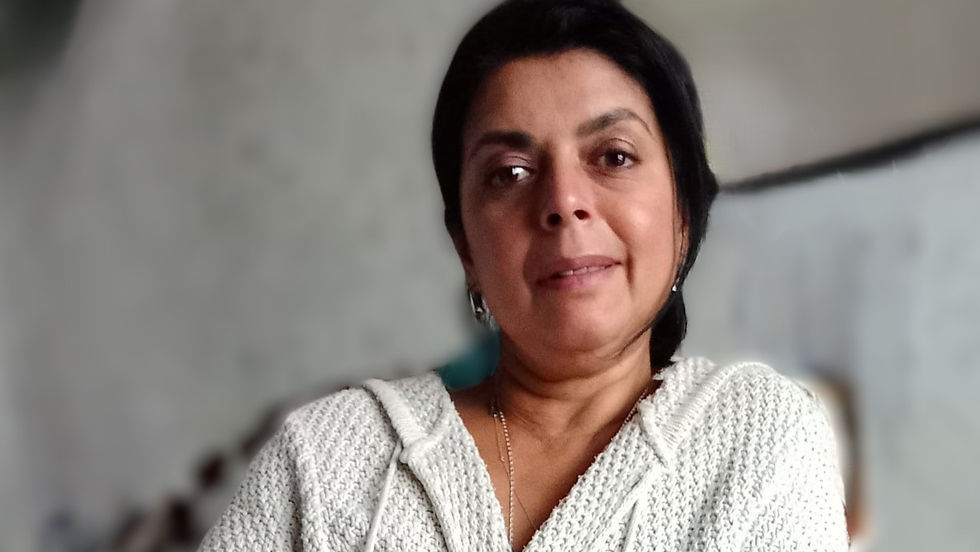
Esther Christopher, Trauma Pain Support
Who is Esther Christopher?
My determined and disciplined mindset has shaped every stage of my life, long before the accident and certainly after it. Breaking nine bones didn’t redefine me; it revealed how I respond to challenge. I don’t tend to sit in frustration for long. I analyse, I decide, and I act.
I value clarity over complication, and I don’t believe in ignoring something that doesn’t sit right. That mindset has influenced how I’ve built my life, personally and professionally.
At my core, I believe anything worth doing requires commitment. Change does not happen by accident. It happens because you decide it will.
What inspired you to start Trauma Pain Support and focus on trauma-informed recovery?
The turning point for me came when I realised the recovery system operated in silos. That fragmentation created confusion during what was already a vulnerable period.
RTA recovery isn’t just about healing bones or restoring movement. Impact trauma affects the body on multiple levels – physically, emotionally, and physiologically. Without understanding those layers together, people often compensate quietly. They adjust posture, restrict movement, push through discomfort, or minimise symptoms because they assume this is simply their new normal.
Injuries were treated, but the broader trauma response was not always addressed.
Trauma Pain Support was born from that recognition – that long-term RTA recovery requires biomechanics and trauma responses to be acknowledged together, not separately.
That is the foundation of Trauma Pain Support.
In your own words, how would you describe what Trauma Pain Support does?
Trauma Pain Support is the structured bridge between acute care discharge and long-term adaptation after a Road Traffic Accident (RTA).
Following an RTA, there is often a visible recovery phase: scans, surgery, rehabilitation appointments, but then comes the invisible phase: nervous system responses, compensatory movement patterns, fluctuating pain, emotional shock, and loss of confidence. TPS exists to connect those visible and invisible aspects of recovery into one coherent pathway.
It is designed specifically for the post-acute stage when medical care may have addressed the immediate injury, yet the individual is still navigating the physical and physiological impact of a high-force collision.
In practical terms, TPS provides a clear roadmap. It helps people understand what their body is doing, why certain symptoms persist, and how biomechanics and trauma responses interact. It offers tools to stabilise, rebuild, and move forward with clarity rather than guesswork.
For healthcare and rehabilitation services, TPS strengthens continuity beyond discharge. It connects clinical treatment with lived recovery, ensuring that long-term adaptation is actively supported rather than simply assumed.
At its core, TPS brings structure to a phase of RTA recovery that is often invisible and fragmented.
What makes your approach to trauma and chronic pain different from other therapies?
What makes my approach different is that it was built on lived experience specifically for post-acute RTA recovery, not adapted from general trauma models or standard rehabilitation frameworks.
Many therapies focus on one lane of recovery. Physiotherapy addresses biomechanics. Psychological therapies address emotional processing. Pain management often focuses on symptom control. Each plays an important role. My approach integrates those layers through one lens rather than separating them.
Through the Trauma-Biomechanical Rehabilitation Framework, I connect biomechanics with trauma-informed principles. That means acknowledging structural healing while also recognising how the nervous system responds to high-force impact. It means understanding compensation patterns, protective behaviours, and the emotional and physiological adaptations that follow an RTA.
TPS is not a replacement for clinical care. It complements it. It strengthens what happens after appointments end, when individuals are left to integrate everything on their own.
Who is your ideal client, and what problems are they usually facing when they find you?
My ideal client is the rehabilitation professional or healthcare service that recognises the fragmentation of care after discharge, where patients can unintentionally fall through the gap.
After acute treatment, patients often move back into general care through GPs, repeat referrals, additional treatment, or sometimes further surgery. The system continues to respond to symptoms, but in silos rather than through a coordinated post-acute pathway.
Healthcare services frequently find themselves revisiting the same individuals as new or broader symptoms emerge, fluctuating pain, compensation patterns, reduced confidence, or trauma-related responses that were not fully addressed the first time.
The issue is not clinical expertise. It is continuity. I work with services that want to strengthen that continuity.
Can you explain how your programs help someone move from pain or trauma toward long-term healing?
The programs break the post-acute phase into manageable stages. They help individuals understand what their body is doing, why certain patterns may persist, and how movement, nervous system responses, and daily habits interact.
From there, the focus shifts to stabilisation. That means reducing unnecessary compensation, rebuilding trust in movement, and creating consistency rather than reacting to flare-ups.
Long-term healing isn’t about eliminating every symptom. It’s about building resilience, restoring confidence, and creating a stable foundation that reduces escalation.
For healthcare services, this structure supports continuity. Instead of repeated reactive interventions, there is a clearer pathway that helps individuals progress more steadily over time.
What results have clients experienced after working with you?
For TPS, the focus is on building clarity, stability, and informed decision-making. When those elements are in place, recovery becomes more consistent and sustainable.
People who engage with TPS describe feeling more in control of their recovery and more confident in how they respond to setbacks. TPS provides the knowledge needed to understand their symptoms rather than fear them.
In long-term trauma recovery, that shift is significant. It creates the conditions for steadier, more meaningful progress and testimonials reflect that shift.
For many trauma survivors, those foundations are essential, because they support everything that follows.
What are the most common misconceptions people have about trauma and chronic pain recovery?
One of the most common misconceptions is that trauma and chronic pain are purely physical issues.
In reality, trauma affects the nervous system, perception of safety, stress responses, and behaviour. Chronic pain is not always a simple reflection of tissue damage – it can be influenced by how the body has adapted after shock, injury, or prolonged stress.
Another misconception is that recovery should be linear. People expect steady improvement, and when symptoms fluctuate, they assume something is wrong, but healing, especially after impact trauma, often moves in waves. Setbacks do not automatically mean failure.
There is also a belief that if pain persists, nothing more can be done, so people tolerate it, they compensate. They quietly adjust their lives around it instead of understanding what might be driving it.
And finally, many underestimate the emotional component. Trauma responses, including PTSD, can coexist with chronic pain in subtle ways, influencing sleep, confidence, movement, and daily decision-making.
Recovery is not just about repairing injury. It’s about understanding how the body and nervous system have adapted, and working with those adaptations, not against them.
How do your tools and resources support someone’s everyday life and resilience?
TPS tools are designed to support real life, not just recovery in theory.
They help individuals break down what can feel overwhelming into manageable focus areas. Instead of trying to “fix everything,” people learn to prioritise what will create the most stability first.
The resources encourage better awareness of movement habits, tension patterns, pacing decisions, and emotional triggers. They provide guidance that can be applied daily, not only during appointments.
Resilience grows when people understand what is happening in their body and feel equipped to respond to it. That might mean adjusting activity levels before a flare-up, recognising early stress signals, or building routines that support both physical and nervous system regulation.
Over time, the goal is not dependence on the program, but increased self-trust. The tools are there to support independence, confidence, and steadier decision-making in everyday life.
Why is trauma-informed care so important for long-term healing?
After a significant event, especially something sudden like a Road Traffic Accident, the body doesn’t just heal physically. The nervous system adapts, stress responses may heighten, confidence can shift, movement can feel different.
If recovery focuses only on the visible injury, those deeper layers can go unrecognised. People may feel confused by their symptoms or assume something is wrong with them when, in fact, their body is responding exactly as it was designed to after shock.
Trauma-informed care creates space for that understanding. It encourages pacing, autonomy, and awareness rather than pressure to “push through.”
For long-term healing, that distinction matters. When people feel understood rather than dismissed, they engage more fully in recovery, and that engagement supports more stable outcomes over time.
What advice would you give someone who’s struggling with chronic pain or trauma but unsure where to begin?
When you’re living with chronic pain or trauma, the instinct is often to fix everything at once, to search for the perfect treatment, the perfect solution. That urgency can add pressure to an already overwhelmed system.
Start with understanding. Before trying to eliminate symptoms, begin by observing them. Notice patterns, notice when pain increases or eases, notice what affects your sleep, your stress levels, your movement. Awareness creates direction. There is a pattern to everything, we first have to look for it.
Secondly, don’t assume that persistence of pain means failure. Healing is rarely linear. Fluctuation does not mean you’re going backwards.
Finally, seek structure rather than scattered advice. Whether that’s through a program, a clinician, or a guided pathway, having a framework reduces confusion. When recovery feels less chaotic, it becomes easier to move forward consistently.
You don’t need to be perfect. You need clarity, patience, and the willingness to work with your body rather than against it.
If someone reading this article wants to work with you, what should they do next?
If you’re a healthcare professional or rehabilitation service that recognises the need for stronger post-acute continuity in RTA recovery, I invite you to visit the Trauma Pain Support website and explore how the framework can integrate within your existing pathway.
You’re also welcome to get in touch directly through the contact details provided on the site if you would like to discuss how TPS could strengthen your existing recovery pathway.
If you are an individual navigating long-term recovery after a Road Traffic Accident, the website outlines the programs and resources available to support you.
Recovery should not rely on chance. It should be supported by clarity, continuity, and informed action.
Read more from Esther Christopher