Stacey Moore Interview on Women’s Health and Learning to Listen to Yourself
Stacey Moore, MPA, RN, is an integrative health coach for women, healthcare consultant, and founder of Stacey Moore Integrative Health. In this interview, she shares how 30 years in nursing and her personal experiences shape her approach to helping women understand their needs, make sustainable changes, and advocate for their well-being.
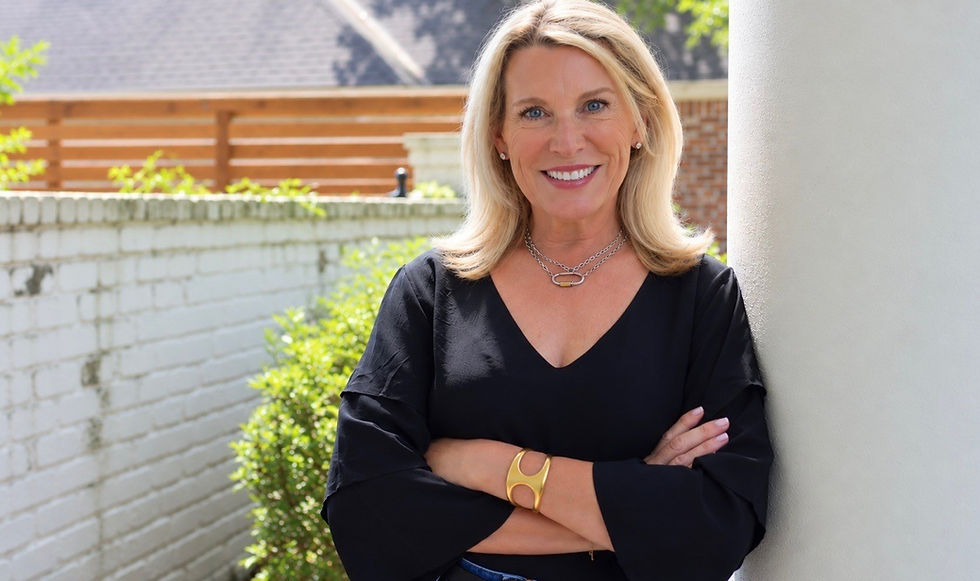
Stacey Moore, Integrative Health Coach for Women
Can you tell us about your work at Stacey Moore Integrative Health and the women you most often help?
At Stacey Moore Integrative Health, I help women connect how they live with how they feel. My approach considers the whole person: physical, mental, emotional, and spiritual well-being, along with relationships and daily habits.
The women I help are often high-functioning and accustomed to taking care of everyone else. They may be navigating motherhood, careers, an empty nest, aging parents, or simply the realization that something needs to change. From the outside, life may look great. Inside, they may feel overwhelmed, disconnected, unhappy, or unsure of what they need.
Through individual coaching, group conversations, and speaking, I create opportunities for women to pause, ask questions, and identify their needs. We work toward practical, sustainable changes that support their health and reflect their values. I want women to feel heard, understand that they have choices, and become active participants in their own well-being.
After more than 30 years in nursing, what have you learned about why women often put their own health last?
I have learned that many women become so practiced at caring for others that they stop recognizing their own needs. They know who needs an appointment, a meal, encouragement, or a ride, but may struggle to answer, “What do you need today?”
There are also real barriers: work, caregiving, finances, and limited support. For some women, there is guilt. Rest feels unproductive, asking for help feels uncomfortable, and setting a boundary feels selfish. Their health becomes something they will address when life slows down.
Over the years, I’ve learned how important it is to ask a woman, “What’s getting in the way of taking care of yourself?” Her answer helps us understand where she needs support and what might make caring for herself a little easier.
How has your experience in both nursing and healthcare leadership shaped the way you approach women’s health today?
Nursing taught me to listen, observe, and ask open-ended questions. What a woman initially shares may be only part of what she is experiencing. Building trust in a judgment-free space helps her feel safe to speak openly and explore things she may never have considered before.
Healthcare leadership taught me that even the best policy or procedure won’t be followed if it doesn’t work in practice. I bring that lesson into coaching. We develop an approach together that makes sense for her life and that she can realistically sustain.
My experience across nursing, entrepreneurship, leadership, and public health education has taught me to value both the quality of the information we share and how useful it is to the person receiving it.
What connections do you see between women’s emotional responsibilities, everyday habits, and physical well-being?
Women often carry responsibilities that never appear on a calendar. They anticipate others’ needs, remember details, manage family dynamics, and worry about how everyone else is doing. That emotional load deserves a place in conversations about health.
It can influence how a woman moves through her day. She may skip lunch because someone needs her, postpone exercise because another task feels more urgent, or stay up late because it is finally her time to be alone. Over time, those patterns leave little opportunity for self-care.
That is why I like to understand the circumstances surrounding a habit before discussing how to change it. Understanding what is happening in her life helps us choose changes that are realistic and meaningful.
Where do you think conventional healthcare falls short in addressing the full picture of women’s health?
Having spent decades in healthcare, I have tremendous respect for conventional medicine and the professionals who provide it. I also know how much they are expected to accomplish in a short appointment.
What can get missed is the conversation beyond the immediate concern. A woman may come in to discuss fatigue, but when does she get to talk about everything she is carrying? Work, caregiving, relationships, and emotional responsibilities can all be relevant to understanding how she feels.
Medical evaluation is essential. So is having time to ask another question and hear the answer.
I see integrative health coaching as a complement to that care. It offers ongoing support and time to connect the pieces of a woman’s life that may be discussed separately, or never brought up at all.
Your Moore Framework begins with awareness and understanding root causes. What does that process look like for a woman who feels overwhelmed or disconnected from herself?
The Moore Framework moves through four stages: Awareness, Root Cause, Alignment, and Sustainability. For a woman who feels overwhelmed, we begin by slowing down and noticing what is happening without expecting her to change everything immediately.
I might ask, “What gives you energy? What asks more of you than you can give? Where are you saying yes when you mean no? What do you miss about yourself?” Those questions often reveal needs she has had little time to consider.
Then we explore the patterns and circumstances contributing to how she feels. In coaching, that may include expectations, beliefs, habits, or relationships that influence her choices.
From there, we identify changes that would better align with her values and needs. We choose a manageable action, see what she learns, and adjust. That is how we build changes she can sustain.
How do you incorporate the principles of lifestyle medicine into your work, and what does that look like in a woman’s everyday life?
What we do every day matters to our health. How we eat, move, sleep, handle stress, and connect with others all deserve attention. Along with avoiding risky substances, these are the foundations of lifestyle medicine, which uses evidence-based lifestyle changes to help prevent and manage chronic disease.
I use these principles to help women see that caring for their health includes more than food and exercise. Friendships matter. Rest matters. How they cope with a difficult day matters. We look at these areas together and decide where they want to begin.
That might mean finding movement she enjoys, reconnecting with a friend, or recognizing when alcohol has become her usual way to unwind. We connect what she knows with what she can realistically do. These principles complement her medical care and give her practical ways to participate in her health every day.
How did growing up surrounded by strong women who often carried their struggles quietly influence your belief in connection and emotional support?
I grew up as an only child with a single working mother, supported by my aunts and grandmother. These women showed me strength, resourcefulness, love, and the importance of showing up for family. As I grew older, I also began to recognize how much they carried quietly.
Losing an aunt to suicide made the importance of emotional support deeply personal. It strengthened my belief that women need places where they can speak honestly and receive support, even when they are accustomed to being the strong one.
To me, connection means being willing to ask another question and stay present for the answer. My upbringing shaped my respect for women’s strength. It also taught me how often they make it look easy while quietly struggling, afraid that being honest will invite judgment or make them seem weak.
What is one thing you wish every woman understood about trusting herself and taking ownership of her health?
You know more about yourself than you may give yourself credit for. You bring a lifetime of experience living in your body and learning what you need. You notice when something feels off, when you need rest, or when a commitment is more than you can manage.
I want women to take that awareness seriously, even when they cannot fully explain it. You don’t have to have all the answers to bring your observations to a healthcare professional.
Taking ownership of your health starts with listening to that inner voice and acting on what needs attention. That may look like asking a question, making an appointment, setting a boundary, or accepting help. Don’t be afraid to ask for what you need. If you’re ready to explore what that looks like for you, visit my website to learn more and schedule a discovery call. Let’s start with what you need.
Read more from Stacey Moore