

Managing Sunspots, Discolouration and Uneven Skin Tone
Ida is a certified aesthetician (graduate of Marvel School of Beauty) and has offered home-based services since 1994. Ida provides various holistic services. She graduated from Zanqara’s Holistica Skin Care Dermatologist course in 1994, which required her to understand homeopathic remedies.

Melanin is the pigment responsible for our skin, hair, and eye colour, acting as a natural shield that helps absorb and scatter ultraviolet (UV) radiation. It also functions as an antioxidant, helping to neutralize free radicals caused by environmental stressors, which supports the overall maintenance and healthy appearance of the skin. Our family history largely determines the type and amount of melanin in our bodies, but environmental factors, diet, and certain medical conditions can also influence its production.
Many people seek quick, permanent solutions to melanin-related issues, but understanding the different types of melanin and other factors affecting pigmentation can help manage these concerns more effectively. This article delves into the types of melanin, the role of melanocytes, dietary influences, and other causes and prevention of hyperpigmentation.
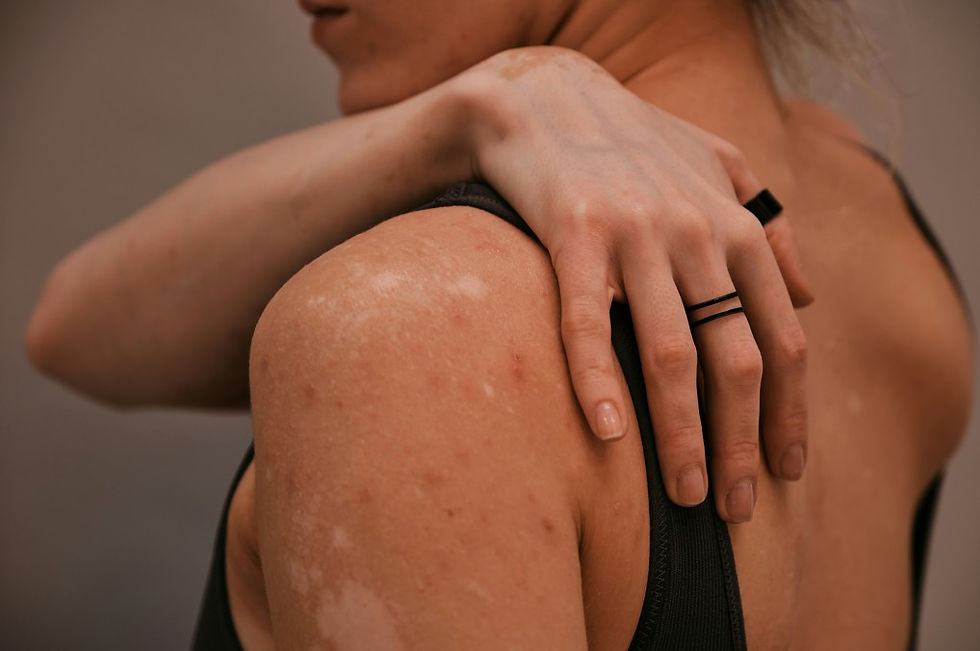
Types of pigmentation
Eumelanin: This is a black and brown form responsible for darker skin, eyes, and hair colours.
Pheomelanin: This is a red and yellow colour found in red hair and pinkish areas like lips and nipples.
Neuromelanin: This is in the human brain.
The role of melanocytes in excessive skin darkening
Everyone has the same number of pigment-producing cells in the deepest layer of the skin’s epithelial cells. Every pigment-producing cell has tiny storage units of melanin. The spacing of these storage units is denser and more active in darker-toned individuals. Excessive darkening occurs when unevenly distributed eumelanin and pheomelanin become overstimulated, increasing uneven pigment production in the skin.
Metal's influence on skin pigmentation
Copper is essential for skin, hair, and eye pigmentation, aiding in melanin production through the enzyme tyrosinase. Consuming foods or supplements rich in copper can enhance the skin’s natural protection. Conversely, zinc competes with copper, reducing its levels and melanocyte activity, which can help manage hyperpigmentation. It is crucial to maintain a 10:1 zinc-to-copper dietary balance.
The role of Blaschko lines in pigmented patterns
In 1901, German dermatologist Alfred Blaschko described these lines as invisible pathways that trace how skin cells migrate and mature during embryonic development. Variations in skin tone or natural pigmentation can sometimes follow these developmental pathways, creating unique patterns on the skin's surface.
Causes of melasma or hyperpigmentation
Hormonal fluctuations: Fluctuations in hormones, such as those associated with pregnancy, oral contraceptives, or hormone replacement therapies, are primary triggers for uneven skin tone. These hormonal shifts can influence vascular behavior and surface inflammation, contributing to hyperpigmentation.
Stress: Elevated stress levels prompt the adrenal glands to release cortisol. This hormonal response can cause internal imbalances that frequently manifest on the skin as localized darkening or melasma.
Systemic and metabolic factors: Certain underlying systemic shifts, particularly those relating to thyroid function, adrenal balance, or metabolic changes, can directly impact melanin pathways. When these internal systems experience temporary or chronic imbalances, they can manifest externally as dark patches on the skin. Consulting a healthcare professional to address these underlying wellness factors often helps restore a balanced skin appearance.
The effects of heat and solutions for controlling melanin
Heat increases pigment production by dilating underlying blood vessels. Those prone to excessive darkening of pigmentation should minimize exposure to heat and UV light and cool the skin quickly when heated.
Eyeglasses and frames: Metal-framed glasses can reflect and overheat the cheeks, potentially causing sunspots and excessive darkening of pigmentation. Plastic frames or mirrored sunglasses are better alternatives.
Protective facial masks: Traps heat against the skin, stimulating melasma and hyperpigmentation.
Prone body areas: Overweight people with dark skin can have excessive darkening in the underarms and between the inner thighs. Slim people with darker skin tones may also be more prone to developing darker underarm skin caused by heat.
Heat exposure and hormonal fluctuations: Change approximately every seven years due to age and external factors.
UV radiation and blue light
UVA rays: The sun's rays provide 95% UVA ray exposure. They are weaker and penetrate deeper, damaging collagen and causing wrinkles and darkening existing melanin. Sun tanning beds emit damaging UVA rays. The risk of squamous cell, basal cell, and melanoma skin cancer increases.
UVB rays: The sun provides about 5% UVB exposure. They are more powerful and shorter. They stimulate protective melanin production to tan the skin and damage its DNA, producing sunspots and white spots. Their increased exposure raises the risk of squamous, basal, and melanoma-type skin cancer.
Blue light: Overexposure to blue light from LED electronic devices and LED lights can increase pigmentation, melanin production, and even skin tone in some individuals.
Skin trauma and toxicity
Post-inflammatory hyperpigmentation: This occurs after temporary skin irritation, surface blemishes, or congested skin and can leave behind darkened areas as the skin renews itself.
Environmental exposures: Internal and external environmental factors can occasionally impact skin tone. For instance, prolonged exposure to certain heavy metals or specific minerals can lead to unusual variations in skin coloration.
Oily skin concerns: Excess sebum and environmental factors can lead to patchy skin, uneven texture, and surface congestion. This type of environment can easily disrupt the skin's natural microbiome balance, particularly in individuals with oily skin.
Photosensitive medications: Certain medications, such as antibiotics, arthritis medications, antidepressants, and antipsychotics, can promote pigmentation. Always check pharmaceutical information to avoid these issues.
Pigmentation issues with aging: As skin ages, it becomes more prone to pigmentation issues because cell renewal slows and the skin thins, offering less protection from environmental damage and affecting melanocyte distribution.
Prevention and management strategies
Chemical sunscreens: Avoid ingredients like Avobenzone, Homosalate, Ocisalate, Octocrylene, Oxybenzone, and Ocinoxate. These ingredients absorb UV radiation, convert it to heat, and release it, which can irritate the skin. They can also worsen melasma and hyperpigmentation.
Sun protection: Wearing broad-brimmed hats and UV-protective clothing can prevent sun-induced pigmentation. Tinted sunscreens contain iron oxides that protect against visible light, which can cause melasma. Daily use of broad-spectrum sunscreens with an SPF of 30 or more helps manage uneven skin tone and excessive skin darkening.
Darker skin tones: We also need to enforce sun protection. We cannot assume that melanin will protect us. The unfortunate truth is that darker skin tones sometimes do not discover the development of various advanced forms of skin cancer until it is too late.
Heat avoidance: For people prone to melasma, minimizing heat exposure and quickly cooling the skin when it gets hot can help prevent pigmentation. When necessary, wear mirrored sunglasses as they reflect the heat.
Diet control: Our skin reflects our internal nutrition. Maintain a balanced diet rich in copper- and zinc-based foods and supplements. Natural vitamin A, found in orange or red-based foods, supports overall skin health from the inside out and helps maintain the skin’s natural vitality.
Topical nutritional suggestions: Consider using products containing selenium, niacinamide, zinc, turmeric, and licorice root. A Vitamin C and E combination is effective for brightening the appearance of skin. Topical Vitamin A (retinoids) can make skin more sensitive to daylight, so it should ideally be paired with daily sunscreen.
Microcurrent treatments: Help brighten the look of skin by encouraging faster cellular turnover. They work beautifully when paired with skincare featuring brightening and evening ingredients.
Holistic wellness methods: Supporting the body's natural elimination processes through adequate hydration, a balanced diet, and healthy lifestyle choices can support overall skin health and radiance.
Light-based therapies: IPL or laser therapy can break down pigmentation, which the body sheds over time.
Regular LED light therapy: Blue, Green, or yellow LED therapy can be effective depending on the skin type.
Exfoliation skin treatments: Microdermabrasion, dermaplaning, enzyme-based exfoliators, and Vitamin C, a mild exfoliator. (Enforce sun protection for the recommended period.)
Microbiome Balance: Maintaining a balanced skin environment is key for oily skin types prone to uneven tones. Seeking professional dermatological or holistic advice can help manage underlying congestion and maintain a clear complexion.
Please Note: Products containing AHAs, like glycolic acid, lactic acid, BHA, or topical retinoids, are often used to target the appearance of dark spots. However, they can sometimes cause skin sensitivity or irritation, and my holistic training advises looking into gentler alternatives such as enzyme-based exfoliators.
Contradictions and side effects
Wilson’s Disease: Individuals with Wilson’s disease should restrict copper intake.
Allergic Reactions to any ingredients mentioned.
Conclusion
Understanding the types of melanin and the factors influencing pigmentation is critical to managing skin clarity. Even those with darker skin tones need to protect themselves from sun exposure to avoid excessive skin damage and darkening. By recognizing the roles of genetics, diet, and environmental influences, individuals can take proactive steps to protect their skin from excessive darkening and other pigment-related issues. Adequate sun protection, balanced copper and zinc intake, antioxidants, dietary control, weight management, detoxification programs, and appropriate skin care treatments can significantly improve skin appearance and health.
Read more from Ida Fanelli
Ida Fanelli, Certified Aesthetician, Reflexologist & IPL & Dolphin MPS Technician
Ida is a dedicated wellness professional and certified aesthetician (Marvel School of Beauty), providing personalized, home-based services since 1994. A certified reflexologist since 1993 (D'Arcy Lane Institute), she has integrated energy therapies and Ion Cleanse foot wellness sessions since 1998. In 2012, she became a certified Sharplight IPL Technician for skin rejuvenation and pigmentation correction, and in 2019 earned a specialized certification from the Center for Pain and Stress Research, using the Dolphin Neurostim system for Microcurrent Point Stimulation to support scar tissue release, skin rejuvenation, and pigmentation lightening. Ida is deeply committed to continuing education in complementary health to provide accessible, high-quality care. She also brings 12 years of experience as a hospital laboratory technologist in Microbiology and Biochemistry to her meticulous practice.
Educational & cosmetic disclaimer:
The information provided in this article is strictly for educational and informational purposes and does not constitute medical or dermatological advice. Skin concerns such as sunspots, discoloration, post-inflammatory hyperpigmentation, or uneven skin tone require personalized evaluation by a qualified healthcare professional. Always consult a licensed provider before altering your diet, taking supplements (like copper or zinc), or starting new topical regimens, light-based therapies, or exfoliation routines–especially if you are pregnant or taking photosensitizing medications.
Under Health Canada regulations, cosmetic products include both retail store and salon-based cosmeceutical brands and do not diagnose, treat, cure, or prevent any disease, infection, or medical condition. Cosmetic products are intended solely to clean, improve, or alter the surface appearance of the complexion.
General guidance on UV rays, blue light, and heat avoidance is provided for routine skin care and daily maintenance only, and does not replace professional medical advice.







