Longing For A Sense Of Community And Connection?
Written by: Hilary Rowland, Executive Contributor
Executive Contributors at Brainz Magazine are handpicked and invited to contribute because of their knowledge and valuable insight within their area of expertise.

I’ve just come back from a retreat with a very special group of people, the CEO group that we’ve been part of for the last five years. I appreciate it because it’s become a real community. It’s a place where we can be who we are, warts and all, with people who want to see each other succeed and be their best, who will challenge, support and hold each other to account.
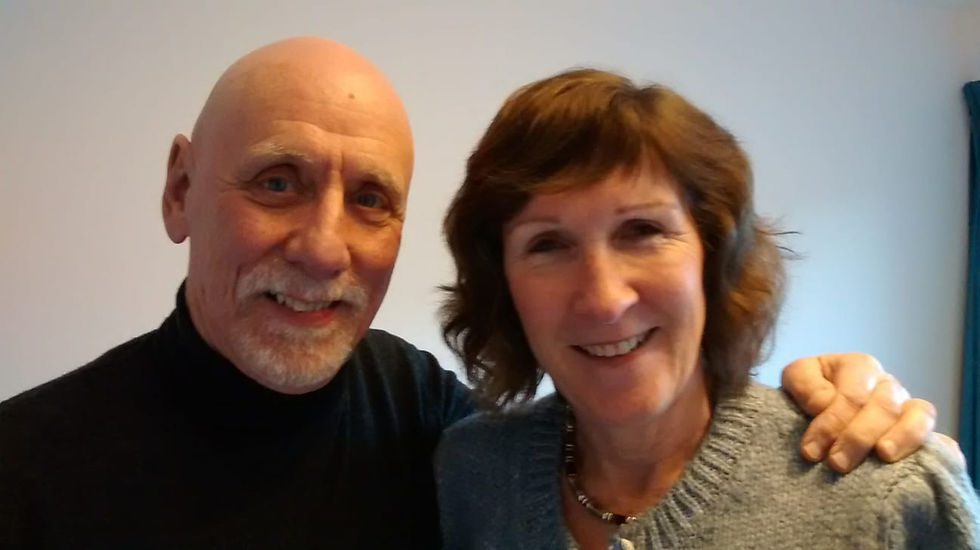
These are great people, there’s no doubt about that, but I’m also aware that communities don’t happen by themselves, and that my business partner and I have contributed to this sense of community by the principles we’ve established in the group, principles that also underpin Next Chapter Retreats and perhaps make us a bit different:
Complete confidentiality, which builds trust. This encourages people to be completely open while free to only share what they’re comfortable sharing. No pressure.
Recognition that working in groups can be far more powerful than working individually with a coach. This produces a richness of perspective, feedback and honesty. Essentially, we do group coaching.
We don’t skirt over difficult issues. We don’t see the point of sticking plaster, so we call things what they are and work at as much depth as is appropriate. Equally we don’t do anything ‘tricksy’: what you see is what you get.
We select people very carefully. We work with people who value personal growth and development, are emotionally intelligent and self-aware, but who recognise there’s something in their lives they need to work on. It might be getting their mojo back, approaching a major transition, recognising something’s not working but they’re not sure what – or maybe they just need to think about their next chapter.
What’s interesting is that if you ask people, ‘Would you join a group or an event that would enable you to have that deep sense of community and connection?’ most people don’t immediately think it worth the investment. However, what we’ve noticed is that once people experience it, they crave it, value it deeply and will work hard to maintain it. People tell us that they can talk about things in our groups that they can’t say to anyone else.
When looking at how to describe community and finding words such as brotherhood, camaraderie, companionship, company, comradeship, who wouldn’t want that? Why is it that people don’t automatically seek it? Possible reasons are:
They already have it as they are part of a group that provides it, but in our experience those groups are quite rare
They may have intimate relationships or friendships that give them a sense of connection
People seek all kinds of substitutes for emotional connection – buying more stuff, hard work, exercise and it sort of works for them
It requires a degree of vulnerability. Our groups work best when people are open and honest about what’s happening in their lives, hence the need to enforce confidentiality. It sounds scary from the outside, and that’s why we select people carefully but once people start getting to know each other, it becomes easier and easier. Then we can work on the things that really matter and the connection happens.
I’ve run a number of retreats recently, ie post-lockdowns and it has been noticeable how much people have appreciated being face to face with each other, just being able to spend time and reconnect. They have left feeling a real sense of energy again. The point has often been made that we have underestimated the effect that the pandemic and lockdowns have had on us. We have had to go into our shells, hunker down, protect ourselves, isolate, cut ourselves off from groups of people and the events we so enjoy.
Not only have we lost a sense of connection with others but also with ourselves. ‘No man is an island’ as the poet John Donne said. As individuals, we may require the company of others and even connection with others in different proportions, but ultimately, we are designed to be in community and are at our best in relationship. At the other end of the extreme, there is much research that shows the detrimental effect of loneliness: heart disease, lung disease, cardiovascular disease, hypertension, atherosclerosis, stroke, and metabolic disorders, such as obesity and metabolic disease. It is also a major predictor of psychological problems, such as depression, psychological stress, and anxiety. Pretty drastic!
That being the case, why don’t we do more to invest in developing more of a sense of connection with others? Is it that losing connection with others leads us to a lack of connection with ourselves, that all this isolation has flattened our emotions, left us exhausted, caused us to give up on finding what we so desperately seek because it hasn’t been possible? For many who have lost loved ones to COVID sometimes there wasn’t the opportunity to say goodbye properly and grieve a real loss of connection with the person who died. That can also be hard if there wasn’t the opportunity to give them the send-off we felt they deserved.
If so, there is a real need to for us to reconnect with ourselves, be aware of our emotional needs and articulate them, give ourselves permission to want and seek what we need, connect with others as a way of starting to reconnect with ourselves and find community.
How has the pandemic and lockdowns affected you? What do you need now?
Hilary Rowland, Managing Director
Next Chapter Retreats
Follow me on Facebook, Instagram, LinkedIn, and visit my website for more info! Read more from Hilary!
Hilary Rowland, Executive Contributor Brainz Magazine Hilary Rowland founded Next Chapter Retreats with her business partner Peter Hyson following an accomplished career, with more than 30 years experience in business advice, professional speaking, coaching and HR. She has worked with senior executives across numerous companies including the BBC, PWC, Academy for Chief Executives, and a variety of SMEs.She's passionate about helping individuals find their sense of purpose and then live it. They have had considerable success with their unique retreats over many years working with senior executives in groups, witnessing how effective the power of people working together can be on their personal development. This approach allows the creation of an environment for true reflection and exploration by taking participants ‘off-grid’, free from the distractions of their professional and personal lives, and with the time to work at real depth.