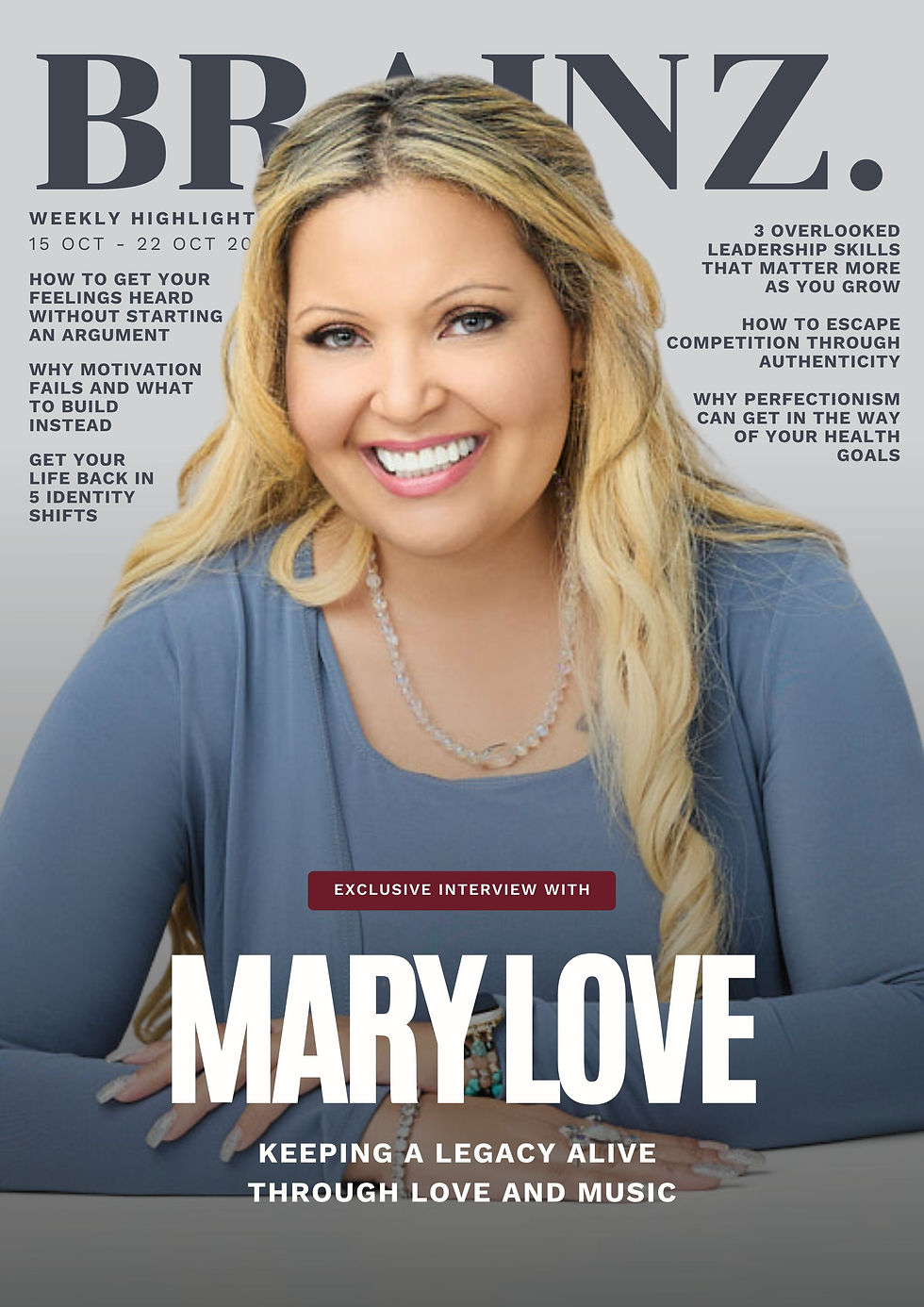
Linda Ellard – Building a Career Through Clinical Curiosity
Linda Ellard’s nursing career has been shaped by a simple pattern: learn what is in front of you, ask deeper questions, and use that knowledge to improve the next decision. Since beginning her nursing career in Tulsa in 2009, Ellard has moved through several demanding areas of healthcare. She has worked in burn care, hospital medicine, infectious disease, chronic pain management, addiction treatment, and wound care.
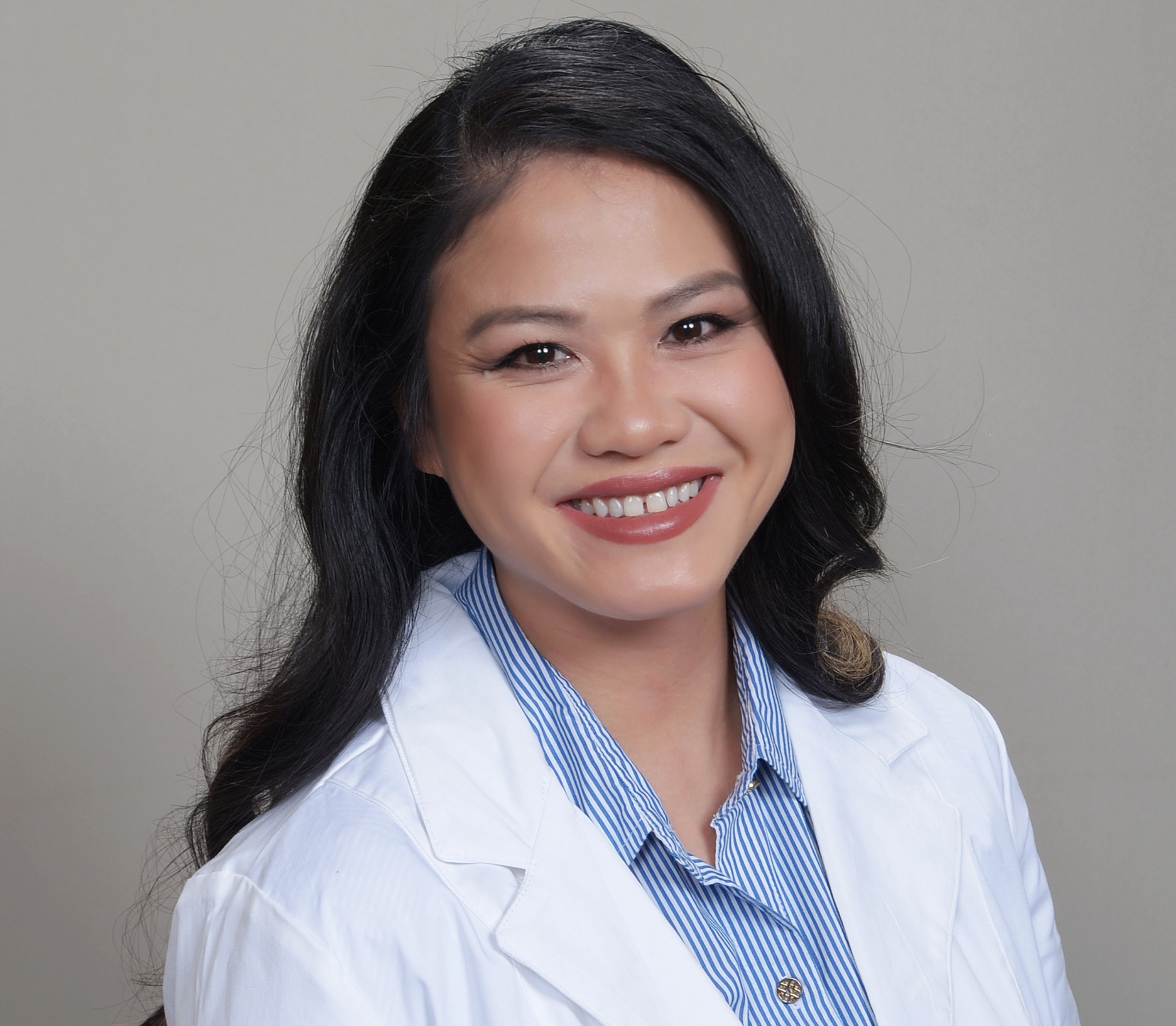
Each step expanded what she could bring to the next role.
Today, as an APRN-CNS, Ellard’s career reflects the value of broad clinical experience paired with focused expertise. Her path also shows how patience, curiosity, and timely action can turn everyday lessons into lasting professional principles.
How did Linda Ellard begin her nursing career?
Ellard grew up in Michigan and studied at Wayne State University and a community college before continuing her nursing education in Tulsa. She earned both her BSN and MSN from the University of Oklahoma in Tulsa.
Her professional nursing career began in Tulsa in 2009.
One of her formative roles was working as a burn nurse for roughly three years. Burn care became an important part of her clinical development because it introduced her to complex wounds and the challenges surrounding infection.
Ellard enjoyed wound care, but she wanted to understand what was happening beneath the surface.
She became increasingly interested in the organisms involved in infections, how the infectious process worked, and how treatment decisions addressed the underlying problem.
That curiosity helped point her toward infectious disease.
How burn nursing led to infectious disease
Ellard advanced to APRN practice by 2017. Instead of moving immediately into a narrow specialty, she began her advanced practice career as a hospitalist.
That experience gave her a much broader view of medicine.
Working with patients ranging from general medical cases to acute situations helped Ellard strengthen her clinical knowledge. It also placed her in regular contact with specialists from different areas.
That exposure became a major part of her development.
“I had little to no experience in some areas, but I overcame that with patience and determination,” Ellard said.
The hospitalist role reinforced the idea that strong healthcare depends on knowing both what you can manage and when another clinician needs to become involved.
By 2019, Ellard had moved into infectious disease practice. She has since worked with five different infectious disease attending providers, gaining exposure to different perspectives and approaches.
What does Linda Ellard specialize in?
Ellard’s work has expanded beyond one area of medicine.
Since 2019, she has worked in infectious disease as well as chronic pain management and addiction treatment. From 2024 to 2026, she also worked in wound care, returning professionally to an area that had interested her since her burn nursing years.
The combination gives her a wide clinical perspective.
Infectious disease requires an understanding of organisms and treatment. Wound care requires close observation and ongoing assessment. Chronic pain and addiction treatment bring their own complex clinical needs.
Across those settings, Ellard identifies two qualities as especially important.
“Patience and compassion for patients,” she said.
For Ellard, those qualities are not substitutes for clinical judgment. They support it. Listening carefully, following changes, communicating with colleagues, and knowing when to seek additional expertise can all affect what happens next.
The clinical lesson that changed her approach
One experience had a lasting impact on how Ellard thinks about responsibility and follow-up.
While on call one night, she asked to be contacted when a patient’s laboratory results became available. The expected call did not come. By the following day, the patient required surgery.
Ellard took the experience seriously.
“I learned to never delay care again and consult other specialists while waiting for lab results,” she said.
The lesson was practical rather than abstract. Waiting for one piece of information should not prevent a clinician from considering other appropriate steps when a situation may require attention.
That experience helped shape the way Ellard approaches communication, follow-up, and specialist involvement today.
How Linda Ellard approaches professional growth
Ellard does not describe professional growth as one dramatic breakthrough. Her approach is much more structured.
“I try to plan out my goals in a realistic manner, then try to achieve each goal individually,” she said.
Education has remained part of that process.
Ellard made the dean’s honor roll during much of her college career. In 2019, she also began a Doctor of Nursing Practice program at the University of Alabama in Huntsville. She has not completed the degree and has approximately a year and a half remaining.
Her existing career, however, already reflects years of advanced clinical development.
She also sees feedback as an important tool.
“Feedback from peers and setting my own standards” help her continue improving, she said, along with “staying determined to achieve my goals.”
That willingness to learn from other professionals is especially relevant in healthcare, where complex cases often require collaboration.
What has Linda Ellard learned from her career?
Ellard’s career has moved from broad nursing experience toward advanced practice and specialized clinical work. Yet the ideas guiding that progression remain straightforward.
Be patient. Stay curious. Ask for input. Follow through. Do not delay necessary action.
She also places value on perspective.
“Staying humble and grateful for what I already have and how far I have come since graduating college” helps keep her grounded, Ellard said.
Her career shows that bringing big ideas to life does not always mean launching a company or inventing a new product. In healthcare, it can mean turning lessons into better habits, building expertise one role at a time, and applying what you learn when the next difficult decision arrives.