Jobsite Wire and Cable Prep – Methods and Gear for Clean Field Terminations
How reliably an electrical setup holds up over years of service almost always traces right back to what happens to the conductors before a single screw gets torqued down. On commercial and industrial jobsites, roughing in and landing conductors eats up a massive chunk of total man-hours, hitting labor costs and project turnover dates directly.
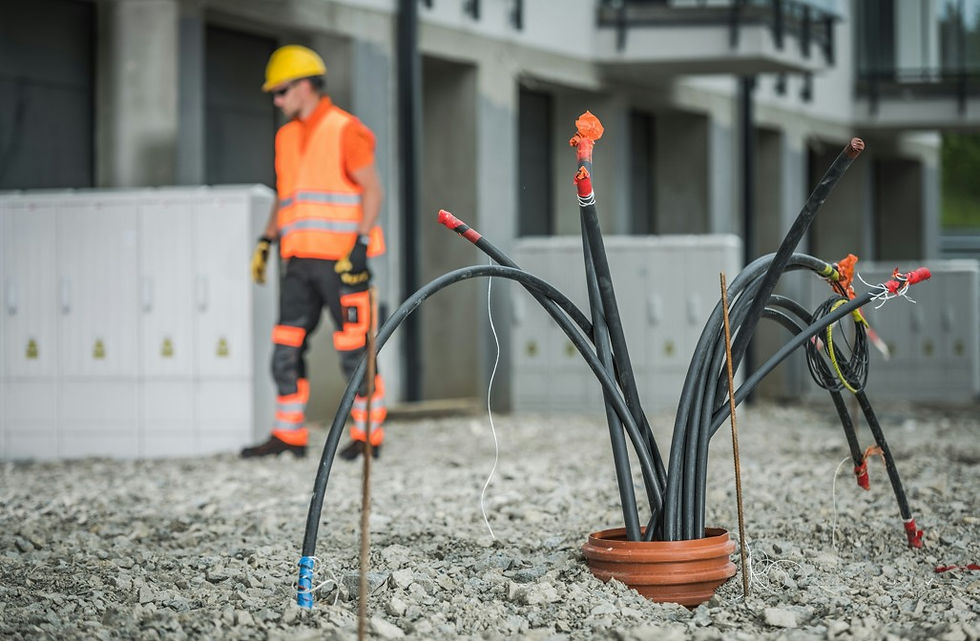
Reaching for the right wire strippers pays for itself on day one: guys work faster, pull off consistent strip lengths without second-guessing, and stop tossing chewed-up conductor ends into the scrap bin. Taking the time to map out your stripping and rough-cutting procedures ensures solid terminations that handle continuous vibration, load swings, and thermal expansion without breaking a sweat.
Why prep work dictates circuit performance
Prepping a conductor end isn't just mindless repetitive prep work, it makes or breaks the electrical integrity of the entire feeder or branch circuit. A rough, sloppy jacket strip cuts down your actual surface contact area inside the lug or terminal block. That leads directly to elevated contact resistance, creating hot spots that can cook insulation under heavy amp loads.
On the flip side, clean preparation keeps the factory dielectric breakdown strength intact and helps reduce the risk of faults and overheating inside distribution panels and switchgear. When an electrician follows a standardized stripping routine, panel makeup goes significantly faster because nobody is wasting time chasing down shorts or re-stripping conductors during final inspection.
Essential hand tools for cable prep
Every journeyman's rolling pack out needs purpose-built hand tools sized for the exact gauge and cable assembly on the prints.
For heavy-gauge feeders, ratcheting cable cutters are mandatory. Standard dikes will just smash the stranding flat, but ratcheting blades slice clean through large copper bundles while keeping the circular profile intact. When stripping off heavy outer jackets and primary THHN or XHHW insulation, a modern adjustable wire stripper with an integrated depth stop provides repetitive accuracy down to the millimeter–something a utility knife simply cannot match. Tool selection has to account for the hardness of jacketing polymers, ranging from pliable silicone down to stiff, low-smoke zero-halogen jackets, as well as the exact wire gauges running through the facility.
Protecting the copper core from nicking and notching
The fastest way to ruin a termination is letting a razor blade touch bare metal. Scoring or lopping off fine copper strands drops the effective conductor cross-section, creating a choke point that heats up fast under full circuit load while gutting the wire’s fatigue resistance against equipment vibration.
Using self-adjusting wire strippers with profiled blades reduces this risk because the cutting dies bite into the insulation without bottoming out against the live core. Getting the exact strip length recommended by the lug manufacturer is just as critical: strip back too little copper and the terminal cage can't get a full mechanical bite, strip back too much and you leave exposed hot copper sticking out past the dead front, inviting accidental contact and dead shorts.
From bare strand to a finished mechanical bond
Once the insulation is stripped clean, the conductor is ready for termination using wire ferrules, insulated pin terminals, or heavy ring lugs.
The copper stranding has to slide cleanly into the barrel without a single bird-caged wire hanging out the back. For the mechanical bond itself, you need ratcheting crimpers with controlled-cycle releases and calibrated die sets. That pressure creates a genuine gas-tight cold weld, sealing out oxygen and keeping the copper from oxidizing inside the joint over time. A quick tug test and a visual check on the crimp profile helps confirm before flipping the main breaker.
Jobsite organization and cutting downtime
Keeping the gang box and mobile prep station lean and organized will do more for daily output than rushing ever will.
Laying out your cable cutters, stripping pliers, and battery-powered hydraulic crimpers on a mobile cart cuts out endless walking back and forth between the panel enclosure and the job box. Organizing terminals and ferrules in clear modular organizer bins sorted by wire size keeps repeat terminations moving quickly and cuts down on dropped hardware. When your crew works with calibrated, reliable tools, jobs finish on schedule and you completely eliminate those expensive callback headaches caused by loose terminations down the road.