Is Your Wellness Routine Stressing You Out? The Japanese Approach to Doing Less
Dr. Noriko Ueda-Lang is a leading expert in acupuncture, functional medicine, and brain coaching. She helps patients restore balance and vitality by treating the root cause of illness. As founder of Ueda Lang Acupuncture in San Diego, she integrates mind-body healing to support optimal health and performance.

You wake up feeling refreshed. Then you check your smartwatch. Your sleep score is 62. Your recovery status says “Poor.” Suddenly, you begin questioning how you feel. Did you really sleep badly? Should you skip your workout? Why aren't your numbers improving? When did taking care of ourselves become another performance test?
We live in an extraordinary age of wellness technology. We track heart rate variability, sleep stages, glucose patterns, and biological markers. These tools can provide valuable information. But there is a difference between understanding our health and becoming consumed by measuring it.
As someone raised in Japan who now practices Japanese-style acupuncture in the United States, I see an interesting contrast between two approaches to wellness. One emphasizes optimization. The other often emphasizes rhythm, sensory awareness, and daily maintenance. What if we could benefit from both?
The hidden cost of constant optimization
Modern biohacking often asks, “How can I improve my numbers?” Better sleep scores. Higher recovery measurements. More efficient workouts. Greater productivity.
But when every health behavior becomes a measurement, we may start judging ourselves instead of listening to our needs. Sleep researchers have described a related phenomenon called orthosomnia, in which excessive attention to sleep-tracking data may contribute to unhelpful sleep-related beliefs and behaviors.
Wearables aren't inherently harmful. Many people find them useful. The problem arises when the information creates more anxiety than clarity. Your smartwatch can estimate how you slept. It cannot fully describe how you experience your life.
What Japanese wellness can teach us about recovery
In Japan, many restorative activities are integrated into everyday life rather than treated as specialized wellness interventions. Consider furo (風呂), the Japanese bathing tradition. The body is traditionally washed before entering the bath, allowing soaking to become a separate period of rest.
Warm water, quiet surroundings, and a familiar evening routine create an opportunity to transition away from daily demands. Research published in Sleep Medicine Reviews suggests that appropriately timed warm bathing before bedtime may improve some measures of sleep.
Of course, bathing isn't appropriate for everyone, and excessive heat can carry medical risks. But the broader lesson is valuable. Recovery doesn't always require an expensive device or elaborate program. Sometimes a simple, consistent practice is enough to create an opportunity for rest.
The power of shinrin-yoku: Nature without a score
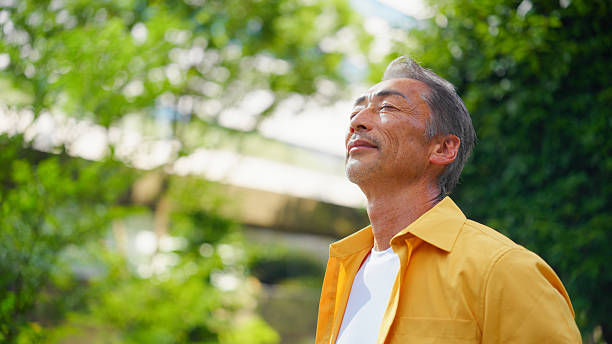
Another Japanese wellness practice is shinrin-yoku (森林浴), commonly called forest bathing. Rather than focusing on distance, speed, or calories burned, forest bathing encourages sensory engagement with nature. Notice the movement of leaves. Listen to the sounds around you. Feel the air against your skin. There is no finish line.
Research suggests that spending time in natural environments may support psychological well-being and reduce some measures of stress, although the strength of the evidence varies. The practice reminds us of something easily forgotten in modern life: we can track every step of a walk and still miss the experience of being outdoors.
Try the analog recovery experiment
For the next seven days, choose one 15-minute period when you do not check your wellness data. Instead, try one simple restorative activity. Take a quiet walk outside. Sit in a garden. Enjoy a comfortably warm bath if it is safe for you. Or prepare tea and drink it without scrolling through your phone.
Before beginning, ask yourself, “What do I need right now?” Afterward, notice how you feel. Do not grade the experience. Do not try to achieve a perfect state of calm. Simply practice giving your attention to the present moment.
This is not a replacement for medical care or a treatment for chronic stress disorders. It is an opportunity to develop a healthier relationship with rest.
Why I believe wellness needs both science and intention
As a Japanese-style acupuncturist, functional medicine practitioner, brain coach, and hypnotherapy practitioner, I value both traditional wisdom and modern healthcare. Technology can reveal useful patterns. Medical testing can identify conditions requiring treatment. Traditional Japanese practices can offer accessible ways to make room for rest and awareness. The approaches do not have to compete.
In my practice, I look beyond isolated symptoms to consider the person’s experiences, daily routines, stress patterns, and overall health. When appropriate, I combine gentle Japanese acupuncture with other mind-body approaches to support individualized care.
This reflects my philosophy of Healing with Intention. I do not believe wellness should become another competition we feel pressured to win. I believe it should help us participate more fully in our lives.
The best wellness routine is one you can live with
You don't have to throw away your smartwatch, abandon modern medicine, or become an expert in Japanese traditions. Start by creating a little more room for rest in your everyday life.
Use technology when it helps you make informed decisions. Use your senses when you need to reconnect with the present. Remember that recovery isn't always something you can measure with a number.
The goal isn't to achieve a perfect wellness score. It's to build a life you have the energy and freedom to enjoy.
If you're experiencing persistent stress, fatigue, poor sleep, or tension despite trying multiple wellness strategies, you may benefit from exploring a more individualized approach alongside appropriate medical care.
Read more from Noriko Ueda-Lang
Noriko Ueda-Lang, Holistic Acupuncture for Brain Health
Dr. Noriko Ueda-Lang is a leader in integrative healing, combining acupuncture, functional medicine, and brain coaching to treat the root cause of illness. After witnessing how stress and imbalance affect both mind and body, she developed a unique system to restore the autonomic nervous system and enhance mental clarity. She founded Ueda Lang Acupuncture in San Diego, where she helps patients reclaim their vitality and resilience through a blend of Eastern wisdom and modern science. Her mission is to heal the mind to heal the body.
References:
Baron, K. G., et al. (2017). Orthosomnia: Are some patients taking the quantified self too far? Journal of Clinical Sleep Medicine, 13(2), 351–354.
Haghayegh, S., et al. (2019). Before-bedtime passive body heating by warm shower or bath to improve sleep: A systematic review and meta-analysis. Sleep Medicine Reviews, 46, 124–135.
Antonelli, M., et al. (2019). Effects of forest bathing (shinrin-yoku) on levels of cortisol as a stress biomarker: A systematic review and meta-analysis. International Journal of Biometeorology, 63, 1117–1134.