How Green Residential Communities Improve Daily Living
Green residential communities support health in ways residents can feel, measure, and sustain. Tree cover lowers radiant heat, planted edges soften traffic noise, and open ground encourages regular movement. Before anyone reaches a front door, those features affect sleep quality, mood, and daily comfort. Public health research also connects greener neighborhoods with lower stress burden and stronger physical activity patterns. In practical terms, better surroundings help routine living feel less taxing.
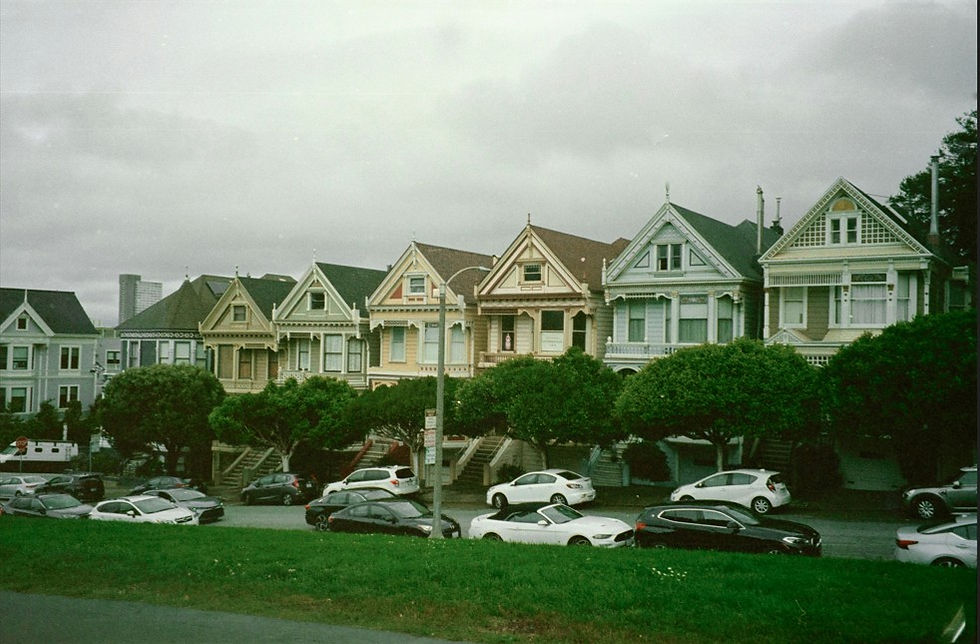
Everyday comfort
Housing choices often daily reflect bodily comfort more than sales language. Shade, airflow, and walkable common areas influence how people recover after work, move with children, or spend time outdoors. That context explains interest in places such as The Green, where residents usually judge planning by heat levels, sound exposure, and whether shared areas feel easy to navigate.
Cooler streets
Outdoor heat places strain on sleep, concentration, and cardiovascular regulation. Dense paving stores warmth long after sunset, which can keep surrounding areas uncomfortable. Trees and planted surfaces help interrupt that cycle by lowering ground temperature and reducing glare. Shaded paths also make short walks more tolerable during warm afternoons. A cooler microclimate supports regular outdoor use, which matters for both physical activity and basic daily ease.
Cleaner air
Vegetation cannot remove every pollutant, yet it can improve local conditions. Leaves capture some particulate matter, while wider spacing between buildings supports better air movement. Green buffers near roads may also reduce direct exposure during congested periods. These changes matter for children, older adults, and people with sensitive airways. Small reductions, repeated over months and years, can shape how breathable a neighborhood feels.
Mental ease
Visual access to greenery has measurable effects on mental strain. Clinical and population studies link planted surroundings with lower stress markers and improved emotional balance. That pattern is easy to recognize in ordinary routines. A shaded courtyard or quiet garden corner offers a brief pause for nervous system recovery. Even short contact with natural elements can help residents reset after noise, crowding, or screen-heavy workdays.
Movement that fits routine
Exercise is easier to maintain when it blends into ordinary schedules. Safe paths, shaded loops, and open lawns reduce the effort needed to begin moving. That practical design supports walking after dinner, light stretching before work, or active play close to home. Convenience has clinical value because behavior follows friction. When movement is nearby and pleasant, residents are more likely to repeat it consistently.
Social contact
Shared green space also supports social health, which strongly influences well-being. Benches, gardens, and shaded sitting areas encourage brief interactions that build familiarity over time. Those moments may seem minor, yet steady social contact can reduce feelings of isolation and improve perceived safety. Parents, older adults, and people living alone often benefit most. A welcoming common area can make everyday life feel more settled and connected.
Noise control
Chronic noise affects rest, blood pressure, and mental fatigue. Urban housing often exposes residents to steady traffic sounds and hard, reflected echoes. Planting layers, tree lines, and softer ground surfaces can help absorb or scatter part of that burden. The result is rarely complete quiet, yet a modest reduction still matters. Better acoustic comfort supports reading, conversation, concentration, and more restorative sleep.
Better rain handling
Heavy rain changes how safely a community functions from one hour to the next. Permeable surfaces, planted drainage channels, and rain gardens can slow runoff and reduce standing water. That helps keep paths usable and lowers slip risk near entrances. Residents notice these details quickly after storms. Cleaner walkways, fewer puddles, and drier shared areas make routine movement easier for children, workers, and older neighbors.
Long-term value
Health-supportive design often strengthens long-term housing appeal. Buyers and tenants tend to notice comfort cues such as shade, usable open space, and lower heat exposure. Green features also signal ongoing care, which shapes confidence in a development. This does not replace sound construction or competent management. Still, visible natural elements add a layer of lived quality that people can assess through ordinary daily experience.
Conclusion
Green residential communities improve daily living through repeated, practical effects on the body and mind. Cooler paths, cleaner air, quieter surroundings, and inviting open space support comfort across the full day. Research gives those benefits scientific weight, yet residents often sense them without formal data. When greenery is planned well, a home feels easier to inhabit, because routine movement, rest, social contact, and heat tolerance all improve together.