Healing Childhood Trauma and Rebuilding Trust – Exclusive Interview With Dr. Sandra E. Cohen
Dr. Sandra Cohen is a psychologist and psychoanalyst specializing in childhood trauma and writing about its aftereffects. Some of those consequences include feelings of unlovability, distrust of love, and problems in love relationships. For over 40 years, she’s worked with patients who suffered sexual and physical abuse, emotional abuse, and severe neglect in childhood. She has devoted her career to helping people heal. Dr. Cohen’s writing is dedicated to offering helpful information to a wider audience of those who still suffer.
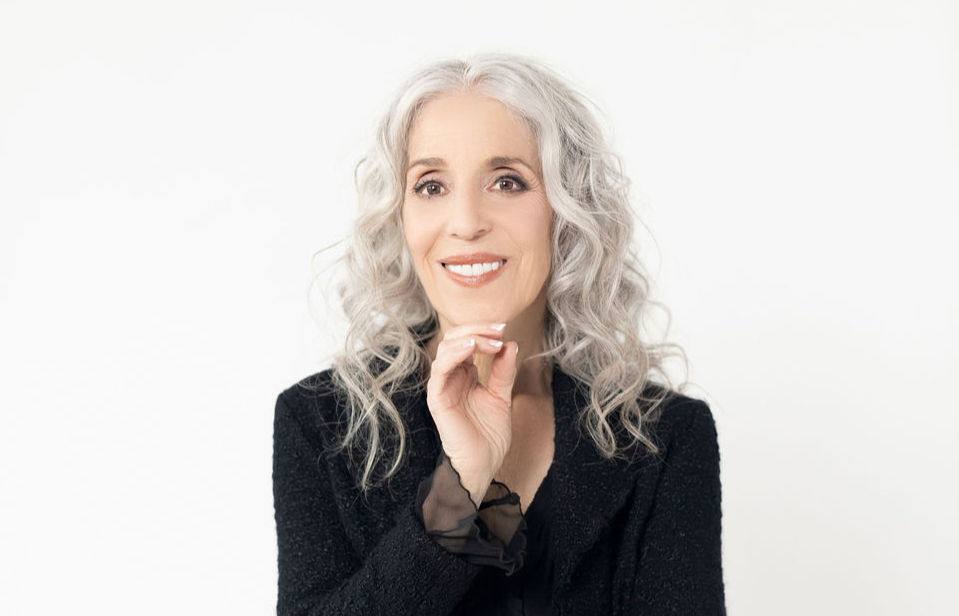
Sandra E Cohen, Ph.D., Psychologist & Psychoanalyst
Introduce yourself! Please tell us about you and your life, so we can get to know you better.
I am the mom of 3 adult children, whom I love dearly and see as much as possible with their busy lives. Being both a mom and a psychoanalyst is an important part of my life and my identity. But what forms the core of who I am is my creativity. I am a writer and a dancer (when I can now), and I love interior design. I make whatever space I inhabit a reflection of me. I gravitate towards Mission Arts and Crafts furniture. I have collected many pieces over the years. These add to the warmth and colorful textures I’ve chosen for my home and office. Writing, though, is my primary creative love. I’ve been writing forever, and I write actively every week. In the past, I wrote prose poetry, and I try to write whatever I write with the infusion of a warm, poetic, real, emotional voice. I write a professional blog called Moving Forward to help people understand their emotional concerns. My passion project is my film blog, Characters on the Couch, where I help readers understand childhood trauma through film and TV characters. I’ve also written a manuscript on childhood trauma using Ingmar Bergman’s life and films through my lens as a psychoanalyst. I am working towards (hopeful) publication in the future. My career as a psychologist and psychoanalyst began in psychiatric hospitals and clinics in the 1970s, where I had the opportunity to work with severely troubled and traumatized adolescents and adults. This experience made me determined to understand more and develop as a trauma therapist, and it led me to psychoanalytic training.
What inspired you to specialize in treating childhood trauma and intimacy issues?
My inspiration to specialize in childhood trauma and intimacy issues began before graduate school (and led me to begin graduate school, actually). I worked in a Board and Care home for psychiatrically troubled people as a recreational therapist when I was in my early 20s. We did arts and crafts, threw parties in the facility, and traveled to various outings in my car. These patients were hungry for contact. However, they didn’t know how to make the contact they needed and desired. They acted out, withdrew, and were awkward and scared. I didn’t know how to reach them, and I desperately wanted to. So, I went to graduate school for my Ph.D. in Clinical Psychology. Then, I was lucky enough to work with a similar population in clinics and psychiatric hospitals. I began to learn how to help, and this passion for learning about and increasing my capacities to treat trauma has persisted for years. I continue to learn. My patience and my openness are my best teachers.
What sets you apart from other therapists working with trauma and self-esteem challenges?
My training as a psychoanalyst and my many years of experience working with childhood trauma with its resulting poor self-esteem set me apart. My psychoanalytic training is the foundation for my ability to understand what happens developmentally and mentally to traumatized children and what has failed them and caused problems that persist in their lives. Most particularly in love relationships, their self-esteem, and negative feelings about themselves. Plus, there is no substitute for my many years of experience. Working with adults and teenagers severely traumatized as children, from the beginning of my career (over 40 years now), allows me to deeply understand the different personal shapes trauma takes and to individualize treatment. In other words, everyone is different, as is their history, and this shapes how I think, interact with each patient, and how the relationship between us unfolds. This means that invariably, relationship fears and poor self-perceptions enter our therapeutic relationship where we can work these out emotionally in real time. I take all of this seriously and work actively with each of my patients. And, this a big part of my approach to helping them rebuild trust and connection in all relationships.
Can you share a key insight you use to help clients overcome deep-seated fears or insecurities?
The past lives in the present. What does that mean? Deep-seated fears and insecurities originate from traumatic childhood experiences: abuse, sexual abuse, neglect, criticism, rejection, abandonment, and loss. There is an inclination for people to say: “That was in the past. Why do I feel it now? Shouldn’t it be over?” No. A common defense (self-protection) during and after trauma is dissociation, numbing, and blocking out feelings and memories. I help my patients slowly open up about their traumatic experiences and feelings attached as they build a trusting relationship with me. As they feel safe, we talk and make links to how and why the past affects them now. In this therapeutic process, which takes time and patience, fears and insecurities can be overcome.
What advice would you give to someone considering therapy but hesitant to take the first step?
Consult with several therapists who specialize in trauma. See how you feel. Do they say things sensitively? Have insights to offer you that resonate or you might not think of yourself? Talk about how you feel. Be honest. Are they receptive? Do you feel accepted and not judged? You, likely, worry about this. Try to talk about your fears. Trust takes time, but does this feel like someone you could trust? If anything doesn’t feel right to you, especially if the therapist has poor boundaries, talks about themselves, or has a critical or blaming edge, move on. You can tell a lot in the first meeting. It’s important to feel that this therapist can help you change and give you what you need.
Tell us about your greatest career achievement so far.
My greatest career achievement is my ongoing development as an increasingly effective trauma therapist. I have maintained an openness to personal change and my patients’ input, which helps me see more clearly in that particular therapy and my general trauma work. If any readers have questions, I’m happy to answer them. Feel free to reach out here.
Read more from Sandra E Cohen, Ph.D.