Future of Drug Discovery With DNA-encoded Libraries
DNA-encoded libraries are changing the landscape of drug discovery. These tools provide enhanced precision and efficiency in identifying drug candidates. As they evolve, they promise significant impacts on pharmaceutical research.
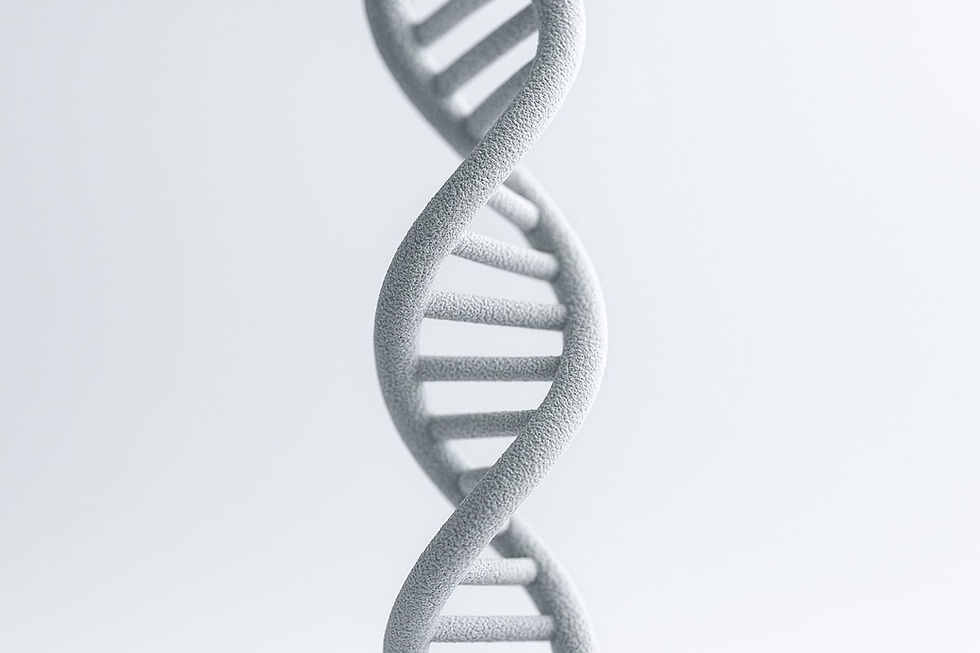
DNA-encoded libraries are a transformative technology in drug discovery. By tagging small molecules with unique DNA sequences, researchers can efficiently screen vast chemical spaces. This method marks a departure from traditional approaches, offering more precise targeting of biological molecules and improving the speed and accuracy of identifying promising drug candidates. Vipergen is one of the companies at the forefront of utilizing this innovative technology to enhance drug discovery processes.
Transformative role of DNA-encoded libraries in drug discovery
DNA-encoded libraries have significantly altered traditional drug discovery processes. They allow for the simultaneous screening of numerous compounds, accelerating the identification of potential drugs. This shift reduces reliance on labor-intensive methods and streamlines early-stage discovery.
Advancements in this technology have led to the discovery of novel therapeutics, such as new cancer treatments. The rapid identification of active compounds against specific targets is a major advancement, expanding the possibilities in pharmaceutical development.
Benefits of precision and efficiency in DNA-encoded libraries
DNA-encoded libraries offer unmatched precision in drug development. By focusing on specific molecular interactions, researchers can identify compounds with high therapeutic potential. This precision increases the likelihood of success and reduces the time and resources needed for development.
The efficiency of these libraries results in cost reductions and faster timelines for bringing drugs to market. Pharmaceutical companies benefit from lower research costs, while patients gain quicker access to new treatments. This combination of speed and cost-effectiveness makes DNA-encoded libraries a crucial component in future drug discovery strategies.
Challenges in integrating DNA-encoded libraries
Despite their benefits, integrating DNA-encoded libraries into existing research frameworks presents challenges. Researchers must adapt to new technologies and develop robust systems for data analysis. Standardization in library construction and screening processes is necessary to ensure consistency across studies.
Future research should focus on overcoming these hurdles by developing scalable solutions that integrate seamlessly with current workflows. Collaborative efforts between academia and industry will be essential in advancing these technologies and maximizing their impact on drug discovery.
Impact of DNA-encoded libraries on pharmaceuticals
The potential impact of DNA-encoded libraries on pharmaceutical research is profound. As these technologies mature, they promise to revolutionize how drugs are discovered and developed. Researchers worldwide are adopting this shift towards more efficient, targeted approaches.
This evolution signifies a new era in drug discovery, where speed and accuracy redefine possibilities. By embracing DNA-encoded library technology, you can witness the transformative changes shaping tomorrow's pharmaceuticals. The integration of these advanced methods is paving the way for a future where drug discovery is more streamlined and effective.