From Achievement to Assignment and What Your Success is Really For – An Interview with Eric Elliott
Updated: Sep 3
Eric Elliott is a Legacy Architect and Purpose-to-Asset Strategist who helps accomplished professionals turn experience, expertise and relationships into greater freedom, purposeful income and lasting legacy through his Mindset, Tradeoff, Reset, Payoff framework.
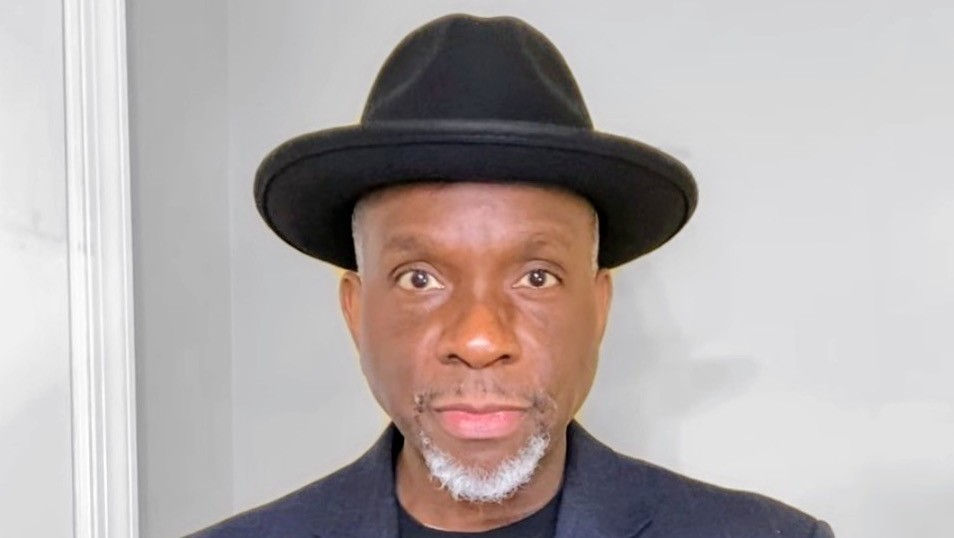
Eric Elliott, Purpose, Leverage & Legacy Strategist
What led you to help accomplished professionals look beyond success and ask what their achievements can now create?
For years, I thought success was about getting somewhere, get the education, get the job, get the promotion, make more money, take care of your family and build the résumé.
Eventually, I had to ask a different question, “What is all of this achievement for?” That question changed everything.
My parents gave me an unusual foundation for asking it. I was exposed to very different worlds growing up, different neighborhoods, socioeconomic environments, cultures and expectations. I learned early that circumstance doesn’t determine capacity.
Today, I help accomplished professionals recognize that their careers, relationships, expertise, even their difficult seasons, may have been preparing them for something beyond the achievement itself.
I’ve gone from crawl spaces to kingdom places, and I’ve learned not to despise the crawl spaces. Sometimes the place you desperately want to escape is developing the capacity you’ll need for the place you’re trying to reach.
So I don’t simply ask, “What else can you accomplish?” I ask, “What can you create with what you’ve already accomplished?” That’s the move from achievement to assignment.
How can someone recognize which parts of their experience, expertise, and relationships have the potential to become valuable assets?
I tell people to stop looking at their résumé and start looking at their asset inventory. Your résumé tells you where you’ve been. Your asset inventory tells you what you’ve accumulated.
Ask yourself, "What do people consistently come to me for? What problems have I learned to solve? What have I figured out that used to be difficult? Who trusts me because I’ve demonstrated something valuable? What have I learned through failure that could save someone else time, money or pain?"
One of the biggest mistakes accomplished people make is undervaluing what has become easy for them. They say, “That’s just what I do.” Exactly. That’s why it’s valuable.
I’ve learned to look at experience differently, "Experience to insight to framework to asset to legacy."
A lesson learned can become a methodology. A methodology can become intellectual property. Intellectual property can become a book, workshop, coaching process, consulting offer or other asset.
I also ask, “Who currently has the problem that your talent has already solved?” Sometimes the next asset isn’t something you need to acquire. It’s something you need to recognize.
What does your Mindset, Tradeoff, Reset, Payoff framework reveal about why successful people sometimes remain stuck despite their achievements?
Success can be deceptive because the behaviors that helped you succeed can eventually become the behaviors that keep you stuck.
That’s why I developed Mindset, Tradeoff, Reset, Payoff.
Mindset, "What am I believing about myself, money, work, time, success and what’s possible?" Tradeoff, "What am I giving up to maintain my current results?"
That’s where the conversation gets interesting. The promotion may cost time. The salary may cost flexibility. Status may cost peace. Security may cost experimentation.
Then comes the Reset, "What belief, behavior, decision or standard needs to change?" Finally, the Payoff, "What becomes possible when I operate from that new standard?"
I often tell people, “Let’s examine time, money and income.” What are you earning? What is that income costing you? How much of your time actually belongs to you? Because you can be highly compensated and still be highly constrained.
The goal isn’t to stop achieving. The goal is to stop allowing achievement to become a cage.
Why can a strong salary and impressive career still leave someone with less freedom than they realize?
Because income and freedom aren’t the same thing. I like to separate four things, "Money. Income. Time. Leverage."
Money tells you what you’ve accumulated. Income tells you what your current activity produces. Time tells you what your life is actually costing. Leverage asks, “What can continue creating value without requiring the same amount of me?” I don’t tell people to hate their paycheck. I tell them to deploy it.
Your paycheck can fund your payload. Your career can finance assets. Your expertise can become intellectual property. Your relationships can become strategic opportunities. Your knowledge can create value beyond the hour in which you deliver it.
You don’t necessarily have to quit your job tomorrow. I tell people, “Create options before you create exits.”
Because quitting your job because you discovered your purpose on Monday isn’t necessarily transformation. Sometimes that’s just unemployment with better branding.
The objective isn’t simply to make more money. It’s to create enough options that your time can eventually belong to what matters most.
What changes when someone starts viewing achievement as preparation for an assignment rather than the destination?
Regret starts turning into resourcefulness.
I’ve had people tell me, “I wasted ten years.” I challenge that. Maybe you didn’t waste ten years. Maybe you spent ten years becoming someone who can now do something you couldn’t have done ten years ago.
I’ve learned that lesson personally through something as unlikely as crawling underneath houses.
As a young man, I spent time in crawl spaces, dark, dusty places with ants, spiders and creatures I had absolutely no desire to meet. I remember thinking, “If this is what real estate is about, I’m out.”
Years later, I understood the metaphor. The crawl space wasn’t punishment. It was preparation.
The difficult season you’re desperate to escape may be developing capacity you’ll need for the next assignment. Your struggle can build strength. Your challenge can create capacity. Your frustration can become your future framework.
So now I ask a different question, “What is this season preparing you to carry?” I’ve gone from crawl spaces to kingdom places. I've learned, "Don’t waste your crawl space."
Where should a professional start if they want to create leverage from what they already know without immediately leaving their career?
Start by solving a problem with what you already know. Don’t start by quitting. I learned that personally when I was laid off as a contractor.
A layoff can make you question a lot very quickly. There’s the financial question, the identity question and the inevitable, “What’s next?”
But I made a decision during that season. I was going to create something. I wrote a book. That experience taught me something foundational. A setback can interrupt your income without interrupting your assignment.
The paycheck stopped. My experience didn’t. My knowledge didn’t. My capacity didn’t. My ability to create didn’t.
That’s the principle behind paycheck to payload. Use the paycheck. Don’t worship the paycheck. Let today’s income help develop tomorrow’s assets.
Start with one problem. Solve it for one person. Document what you learned. Package the process. Then ask whether the solution can become an asset.
You don’t have to blow up your current life to begin building your next one. Create options before you create exits.
How can someone tell when the standard they have been tolerating is limiting their income, time, or sense of purpose?
Look for the things you’ve started calling normal that you once promised yourself were temporary.
“I’ll deal with it later.” “Things will slow down.” “At least the money is good.” “This is just the season I’m in.” “I’ll have more time eventually.” Sometimes “eventually” is simply a very comfortable word for “not yet decided.”
That’s why I tell people to examine time, money and income. How much time do you actually control? How much income are you producing, and from how many sources? What is that income costing you in energy, relationships, opportunity and peace?
Then ask, “What standard have I accepted for myself that I would never recommend to someone I love?”
We don’t always consciously choose our ceilings. We normalize them. Once we normalize something long enough, we stop questioning it.
The reset begins when you ask, “This may have worked for who I was. But does it still serve who I’m becoming?”
Sometimes the next level doesn’t require you to do more. It requires you to tolerate less of what is no longer worthy of your life.
How have faith and your personal experiences shaped what legacy means to you beyond wealth or professional accomplishment?
My faith has taught me that what I’ve been given isn’t simply mine to possess. It’s mine to steward. That changed my definition of legacy.
I don’t believe legacy is simply the size of the estate you leave behind, the title you held or how many people knew your name.
Legacy is what continues producing value through other people because you were willing to invest what was in your hands.
That’s why I think about legacy like an endowment. An endowment isn’t designed simply to be consumed. It’s designed to keep producing.
Your wisdom can produce. Your knowledge can produce. Your relationships can produce. Your methodology can produce. Your faith can produce. Your resources can produce.
I’ve learned that what we build in people can outlive what we build for people. That’s why I don’t ultimately want my success measured by what people say about me. I want it measured by what continues because I was here.
Not merely being remembered. Being perpetually useful.
What is the most important question someone should ask when deciding what they want their success to ultimately accomplish?
For me, it comes down to one question, “What do I want my success to make possible?” Because there’s always another mountain. Another title. Another dollar. Another credential. Another accomplishment.
If success is the destination, you’ll never arrive. But if success is the vehicle, everything changes.
Your income can create options. Your expertise can solve problems. Your relationships can open doors. Your experience can become intellectual property. Your influence can develop people. Your resources can create opportunities. Your faith can become an inheritance.
Then achievement becomes preparation for somebody else’s possibility. So I don’t want people asking only, “How successful can I become?” I want them asking, “What could become possible because I became successful?”
That question changes the operating system. Because maybe your success isn’t merely supposed to make your life better. Maybe it’s supposed to make somebody else’s life possible.
That’s where achievement becomes assignment. Where experience becomes asset. Where paycheck becomes payload. Where success becomes stewardship. Where stewardship becomes legacy.
I don’t believe we’re here merely to let life happen to us. We’re here to happen to life. When you understand that, the final question becomes, “What are you going to make possible?”
Read more from Eric Elliott