Elham Neisani Samani – From War to Women’s Health Leader
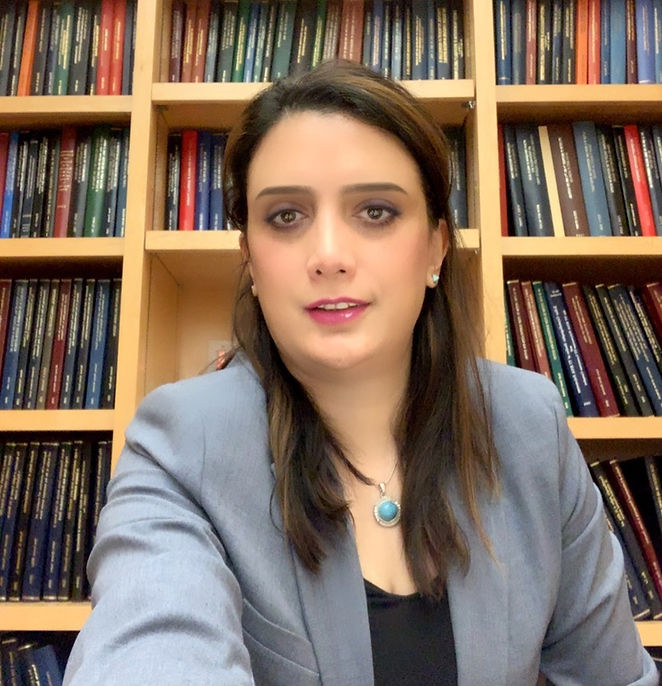
Dr. Elham Neisani Samani’s path to medicine was shaped by adversity, resilience, and an unwavering sense of purpose. From surviving war to advancing women’s health, her journey reflects what it means to lead through challenge and impact.
A career built on resilience and purpose
Some careers follow a straight path. Elham Neisani Samani’s did not.
She was born in Tehran, Iran in a very inspirational family. Her early years were shaped by the Iran-Iraq war. As a child, she lived through bombings and destruction. She remembers seeing her school destroyed.
“I remember when our school was destroyed by a bomb. My mother gathered my sisters and me and said, ‘Let’s go buy some books and notebooks so you can keep studying at home.’ She even bought us highlighters. In the middle of war and uncertainty, she refused to let our education stop.”
“Airstrikes and explosions echoed day and night. Eventually, we learned how to fall asleep despite the constant sound of bombs.”
“Every night, we went to bed fully clothed, with a small backpack ready beside us,” she recalls. “We knew we might have to run if our house was bombed.”
For many children, those experiences would leave lasting fear. For Elham, they also built resilience.
Those experiences stayed with her. They shaped how she sees hardship, and how she responds to it.
“I have struggled and triumphed, and through it all, I have always prevailed for the better,” she says.
Today, she is an obstetrics and gynecology physician focused on reproductive science and high-risk pregnancies. Her work sits at the intersection of clinical care, research, and health equity.
But her path to leadership was not linear. It was built step by step – often under pressure, and often against the odds.
Early career in medicine and research
Elham Neisani Samani knew early that she wanted to help people. In high school, she worked as a biology tutor. She also volunteered with community outreach programs that supported people in poverty, victims of domestic violence, and those with mental illness.
By 19, she had entered one of the prestigious medical schools in Tehran.
There was no pre-med system. She went straight into training. Much of her coursework was in English, not her native Farsi. So she taught herself a new language while studying medicine.
She excelled quickly. She earned the “Exceptional Student Award” and later won “Best Research Presentation.” “Her research focused on reviewing the most common causes of primary amenorrhea in adolescents, contributing to a better understanding of reproductive health in young patients.” She also ranked first in the national pre-internship exam.
“Studying in a developing nation’s medical system provided me with invaluable clinical exposure to rare and unique diseases, as well as the more commonly encountered diseases.
Her interest in women’s health developed during her clinical years.
“I was always fascinated by the challenge of diagnosing and managing women’s health,” she explains.
That focus led her to specialize in obstetrics and gynecology.
“I feel fortunate to have found a field of medicine that truly aligns with my skills and passions, and I am committed to making a meaningful difference in women’s lives.”
Working in underserved and high-need regions
After residency, Samani chose a path many avoid. She worked in rural and underserved areas in Iran.
In Ardal County, she helped serve over 54,000 women of reproductive age. Ardal and Naghan are underserved areas in the Chaharmahal and Bakhtiari province of Iran, situated in the Zagros Mountain region known for its Bakhtiari nomadic heritage, agriculture, and scenic landscapes. Ardal serves as the capital of Ardal County, while Naghan is a city within Naghan District in Kiar County. The province is characterized by mountainous terrain, providing cool summers and heavy snowy winters. Both areas are part of the historical lands of the Bakhtiari people, often referred to as "Great Lor," with strong ties to nomadic lifestyles and ancient Persian history. Resources were limited. Infrastructure was basic. The work was demanding.
She also took on a role as a health systems and quality improvement advisor for two hospitals.
The experience gave her more than clinical knowledge. It gave her a systems-level view of healthcare. She learned how to build care models from the ground up.
Later, she moved and served in another underserved region near the Iran – Iraq border, where she was the only OB‑GYN serving the community. There, she took every night call at the local hospital, delivering babies and caring for women who had few other options for specialist care. Working in the underserved region near the Iran-Iraq border places her in a critical, high-needs area characterized by significant economic, environmental, and infrastructure challenges, particularly within the Khuzestan province.Her work in such a region required addressing severe vulnerabilities in local infrastructure and supporting a population with limited access to healthcare. The community included a mix of Iranian and Arab residents, and to better serve her patients, she began learning Arabic, improving communication and building trust with those under her care.
The workload was intense. The responsibility was constant.
But she stayed focused on impact.
A life-threatening setback and recovery
During this period, Samani survived a major car accident. Everyone else in the vehicle died.
She suffered a head injury, broken bones, and spent 45 days in the hospital. She later developed Bell’s palsy and underwent months of treatment.
For a moment, she questioned whether she would be able to return to the operating room.
“There was a time when I asked myself, Will I ever be able to perform deliveries and C-sections again?” she recalls.
Most people would step back after that. She did not.
She returned to medicine and continued serving in high-need areas. This moment reinforced a pattern in her life. Setbacks did not stop her. They refined her.
Transition to the United States and academic work
In 2013, Dr. Elham Neisani Samani moved to the United States for a research fellowship at Yale University, marking a pivotal shift in her career toward academic medicine and scientific research. She joined the laboratory of Dr. Hugh S. Taylor, a leader in reproductive science, where she focused on advancing the understanding of complex conditions affecting women’s reproductive health.
Her research centered on endometriosis, a chronic and often underdiagnosed condition in which tissue similar to the uterine lining grows outside the uterus, most commonly in the pelvis. Affecting approximately 10% of women of reproductive age worldwide, endometriosis can cause severe pain and infertility. Dr. Samani’s work particularly explored unusual presentations, where endometrial tissue appeared in locations that could not be explained by traditional mechanisms such as retrograde menstruation.
Dr. Samani then developed and validated a mouse model of disseminated endometriosis using DsRed-labeled endometrial tissue introduced into the peritoneum of immunocompetent mice. Flow cytometry and immunofluorescence analysis revealed the presence of endometriosis-derived cells in multiple organs, including the lung, spleen, liver, and brain. Immunostaining showed DsRed+/CD45− cells in these organs, and engraftment occurred in all experimental animals examined. These findings indicated that cells from endometriotic lesions can migrate and engraft in organs outside the peritoneal cavity, a phenomenon described as micrometastasis of endometriosis. This systemic dissemination may be clinically unrecognized, contributing to the diffuse symptoms experienced by patients.
"Since the migration of cells to the brain occurred in all induced mice, this suggests that endometriosis may release stem cells capable of traveling to organs outside the pelvis," Dr. Samani explained. "These implants may be clinically undetectable but remain biologically active, potentially contributing to inflammation. It is therefore possible that endometriosis outside of the pelvis is more common than currently recognized."
She presents data at the 71st Annual Meeting of the ASRM that it is possible for endometrial cells to migrate to the brain – and possibly the entire body – suggesting that stem cells play a role in endometriosis. In a complementary study, Dr. Samani examined whether cells derived from endometriosis could enter the vascular circulation and disseminate hematogenously. Using a mouse model, endometrial tissue from DsRed1 mice was transplanted into DsRed-negative mice. Flow cytometry identified circulating DsRed1 cells expressing CXCR4 and mesenchymal stem cell markers, but not hematopoietic markers. Nearly all circulating cells originated from endometriotic lesions rather than the uterus. These cells were found in the peritoneal wall, surrounding vessels, and lung tissue, contributing to lesion formation, angiogenesis, and demonstrating retained multipotency in vitro and in vivo. Furthermore, endometriotic lesions expressed high levels of CXCL12, and serum CXCL12 was elevated both in mice and in women with endometriosis, highlighting the clinical relevance of the CXCL12/CXCR4 axis. These findings were published in a STEM CELLS Journal.
Expanding on this work, Dr. Samani investigated the role of the CXCL12/CXCR4 signaling axis in the systemic migration of endometriosis-derived cells. Experimental endometriosis was induced in mice, which were then treated with intravenous CXCL12, AMD3100 (a CXCR4 antagonist), or vehicle control. Circulating DsRed endometriosis-derived cells were detected in all transplanted animals but not in controls. The CXCL12-treated group had significantly higher numbers of circulating cells during the first 17 days, while AMD3100-treated mice showed no difference from vehicle controls. These results confirmed that the CXCL12/CXCR4 axis facilitates systemic dissemination of endometriosis-derived stem cells, providing a potential target for therapy. This work was presented as an oral presentation at the Annual Scientific Meeting of the Society for Reproductive Investigation in Montreal, Canada, under the title: “Blocking of the CXCL12/CXCR4 Axis Reduces Migration of Ectopic Endometrial Cells in Murine Endometriosis.”
Dr. Samani also contributed a book chapter evaluating the potential of stem cell therapies for the treatment of Asherman’s syndrome (AS) and atrophic endometrium (AE). She explains that the destruction of the stem cell nichemay prevent the recruitment of new stem cells necessary to repair the endometrium after significant damage. In AS, the most common pathologic finding is the formation of avascular fibrous tissue replacing normal endometrium, leading to menstrual irregularities or infertility.
The prevalence of Asherman’s syndrome varies by geographic location, population, and access to diagnostic and treatment resources. In murine models, AS is simulated by inducing significant endometrial injury and confirming the formation of intrauterine synechiae and adhesions. Dr. Samani highlights evidence from one case report and two human studies demonstrating the promise of bone marrow stem cell transplantation as a novel therapy for restoring endometrial function. Her chapter emphasizes the potential of regenerative medicine to address complex reproductive disorders and improve fertility outcomes.
Dr. Samani’s body of work has been presented at national and international conferences and has contributed to over 30 scientific publications. Her research continues to focus on reproductive medicine, and improving outcomes in complex cases, while also engaging in medical education and emerging technologies, including artificial intelligence, to advance women’s healthcare. She has now published over 30 scientific papers. She has also presented at national and international conferences.
Personal experience that reshaped her perspective
One of the most defining moments in Dr. Samani’s life and career came during her own pregnancy. While in residency, she faced challenges no one could have prepared her for. She had already endured the heartbreak of losing her mother overseas, never having the chance to say goodbye. At the same time, she faced multiple miscarriages, each one shattering and deeply painful. She said “ I had always postponed starting a family to focus on my studies and later on the challenges of immigration, believing I could pursue both at the right time.”
When she finally became pregnant through IVF, her pregnancy was high-risk, and her daughter was born prematurely, requiring multiple surgeries and six months in the NICU. The weight of these personal and professional crises could have stopped anyone in their tracks.
But she did not step back. She adapted, finding strength in the struggle. “I used it as an opportunity to reflect, grow, and refocus,” she recalls. Those experiences profoundly changed how she approaches patient care. “It gave me a new perspective – not just as a physician, but as a patient.” Today, that dual perspective is at the heart of her work, shaping the empathy, insight, and compassion she brings to every patient she serves.
Leadership in women’s health and advocacy
Beyond her clinical work, Dr. Samani has taken on significant leadership roles in advocacy and community engagement. She served as an administrative chief resident and later as director of labor and delivery while working in underserved areas, shaping policies and mentoring junior staff.
Passionate about empowering women, she co-founded a nonprofit dedicated to supporting Middle Eastern girls and women in career development and leadership. She also collaborates with organizations such as IRIS (Integrated Refugee and Immigrant Services), helping refugees rebuild their lives in new communities.
Her leadership extends into academic medicine, where she has spearheaded initiatives to retain underrepresented minorities in medical programs, ensuring that future generations of physicians reflect the diversity of the populations they serve.
These efforts reflect Dr. Samani’s broader vision of leadership: not only treating patients but improving systems, expanding access, and creating opportunities for those historically marginalized in medicine.
How she defines success today
For Dr. Samani, success is never about titles or recognition. “I define success as growth with purpose,” she says. It’s about making a real difference in patients’ lives, learning continuously, and building resilience through both triumphs and setbacks.
She believes that true success also comes from pushing beyond your own expectations. “I define success as doing more than I thought I was capable of – going beyond what I expected of myself.”
For her, success is not a destination – it’s a journey. It grows over time, shaped by experiences, challenges, and the lessons learned from failure. It’s about continually striving to be better, to do better, and to make a meaningful impact in the lives of those she serves.
What sets her apart in the field
Dr. Samani’s career is distinguished by a combination of experiences and perspectives that few others share. She has practiced in both high-resource and low-resource settings, giving her a deep understanding of the challenges faced by patients and providers alike. Her work seamlessly bridges research and clinical practice, allowing her to translate scientific discoveries into meaningful patient care.
She also brings a firsthand understanding of high-risk pregnancy, having navigated it herself, which adds a unique empathy and insight to her care. Beyond medicine, she is committed to diversity, education, and global health, actively mentoring the next generation of physicians and advocating for underserved populations.
Together, these experiences and commitments position her as a leader in women’s health, particularly in complex and underserved environments, where innovation, compassion, and resilience are most needed.
A career still evolving
Samani continues to build her work in all aspects of OBGYN, particularly reproductive medicine, high risk pregnancy, patient safety, and equality.
She remains focused on improving care for high-risk pregnancies and underserved populations.
Her journey shows that leadership in medicine is not just about skill. It is about persistence, adaptability, and purpose.
“I believe as long as I can make a difference in the world, I will achieve success,” she says.
That mindset continues to guide her next steps.