Dr. Ian Hardy: A Journey of Compassion, Perseverance, and Achieving Dreams
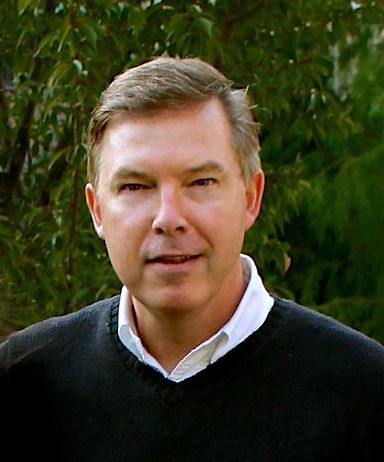
In this exclusive interview, we sit down with Dr. Ian Hardy, a renowned figure in the field of medicine and education. With a career spanning decades and a deep commitment to his patients, Ian shares insights into his remarkable journey, the decision to join Harvard Medical School, and his unique approach to reproductive endocrinology and infertility.
1. Tell us how you started in the field of medicine and education
My grandfather was an educator and Headmaster at a classic British Grammar School. He instilled the importance of education in his three sons, all three of whom became physicians. My mother and older sister were nurses. My younger sister was born with cerebral palsy and remains severely handicapped; with severe limitations, she worked hard to overcome and be all that she could be. Immersed in this environment, I knew early on that I wanted to pursue education and medicine. If my sister, with her limitations, was able to achieve, I was motivated to do even more.
2. What inspired you to accept a position at Harvard Medical School?
After completing 17 years of post-high school education, including Princeton, Stanford, Harvard, and as a Fulbright Scholar, I was offered a full-time position at Harvard Medical School. In this position, with both MD and PhD degrees, there was an expectation to focus on basic research within the medical center. To maintain my clinical and surgical skills, I would work weekends in a separate private practice. It quickly became apparent that one of the reasons I chose the field of reproductive endocrinology and infertility was the unique diversity in the field and the opportunity to combine not only basic research in the embryo lab but also clinical skills in both the operating room and office setting. When given the opportunity to start a private practice from the ground up, incorporating both research and clinical skills, I knew I had made the right choice to leave the university and grow the Fertility Centers of New England into a thriving practice. Some of the university professors who originally chastised me for leaving academic medicine would later come knocking at our door seeking a similar opportunity.
3. Looking back on the last five years of your career, what has been the highlight?
Christmas was always a favorite time; every year, I received hundreds of cards from past patients proudly and gratefully sharing their kind thoughts and family photos. Infertility can be devastating to those desperately wanting to experience the joys of family. I will never forget seeing the smiling faces nor reading the kind words (www.drianhardyreviews.com) of those who endured incredible hardships to achieve their family goals.
4. What is a unique tenet/component of your business/organization that sets you apart?
Although it always seemed rather obvious, it is much easier to correct a problem when you can identify what that problem is. Medicine invented the term “idiopathic” to define a disease for which the cause is unknown. Idiopathic infertility should be a “diagnosis” of last resort; far too often, in the absence of a thorough evaluation, it was the leading “diagnosis”. Empiric treatment without a defined diagnosis often leads to failure. In our practice, every effort was made to carefully define a cause for a patient’s prolonged infertility with treatment tailored to that cause. Countless times, we would see a patient who had failed multiple IVF cycles, only to find the uterus had been the problem all along. To put a patient through the rigors of IVF, only to implant a hard-earned embryo into a non-receptive uterine environment is just not fair to the patient. Surgical correction of the pathology often allowed the couple to conceive without requiring IVF at all.
5. What advice would you give to your younger self?
Understand your patients’ determination and persistence. It is said that you never know true love until you have a child. As a father of six children, I couldn't agree more. After having my own children, I then acquired a deeper understanding and empathy for couples’ persistence and determination to overcome their years of infertility and experience the joy of being a parent. Following successful treatment and the birth of their children, couples would consistently choose the words “deep gratitude” in their letters to me. As a physician but also as a father, I came to fully understand and appreciate their words.
6. What would you say to others who find themselves in a situation similar to yours?
For those young students just beginning their journey into the medical field, make sure, before you are too far down the path, that years from now you will love coming to work every day. Robert Frost wrote, “My object in living is to unite my avocation and my vocation as my two eyes make one in sight.” The journey is arduous and requires stamina and persistence. Along the way, you will encounter students and practitioners, addicted to outrage, disgruntled with their choices. Ignore their actions and focus on what brought you into this path in the first place. The kindness and gratitude of your patients will quickly drown out the malcontents.
7. Tell us about your next endeavor.
I spent most of life planning and preparing for my next endeavor. Early on, I studied diligently to achieve acceptances into the best universities and thereafter continued giving my best efforts to grow a successful medical practice and sincerely care for every single patient I encountered. In the event of an emergency, the airline pilot instructs the passenger to put the oxygen mask on yourself first before assisting others … advice I never really heeded. However, after 17 years of training, 20+ years in private practice, and importantly the start of a new family with young children, I made a decision to grab that mask and do a better job of looking after myself and my children. Although I had always prepared for an earlier retirement, it was the push by others (for which I am so grateful) that allowed me without guilt to officially begin retirement and my life as an expat.
Dr. Ian Hardy's story is a testament to the power of dedication, empathy, and a relentless pursuit of excellence in medicine and education. His impact on the field of reproductive endocrinology and infertility will continue to inspire and benefit countless individuals and families.