Dr. Ahmed Wahdan Interview on How Medical Concierge Care Helps You Take Control of Your Health
Dr. Ahmed Wahdan (Dr. Diamond ) is a physician with more than 25 years of experience dedicated to improving health, performance, and quality of life. Throughout his medical career, he has developed a deep understanding of the connection between medical science, nutrition, lifestyle, and preventive healthcare.
His journey into health optimization was shaped by a personal experience at the age of 29, when he faced a serious health crisis that changed his perspective on medicine. This experience inspired him to move beyond treating illness alone and focus on prevention, early intervention, and helping individuals take control of their long-term health.
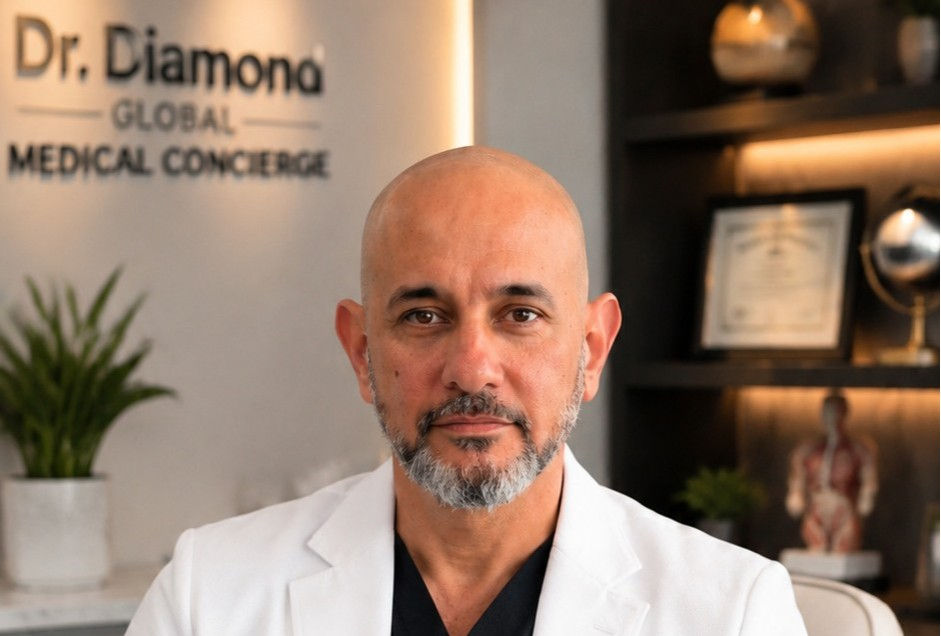
Ahmed Mostafa Hassan Wahdan, Medical Concierge & Personal Health Advisor
Dr. Wahdan, what inspired you to create Dr. Diamond Global, and how does your approach to medical concierge care differ from traditional healthcare?
Dr. Diamond Global was created from a simple observation I made throughout my medical career: many patients do not suffer because they lack access to doctors; they suffer because they lack guidance, coordination, and someone who sees the complete picture.
Traditional healthcare is often designed around treating individual problems, you see a specialist for your heart, another for your hormones, another for nutrition, but sometimes nobody connects all these pieces together.
My role through medical concierge care is different. I become a personal health advisor who helps clients navigate their entire health journey: understanding their medical reports, coordinating with specialists, optimizing lifestyle factors, and creating a clear strategy for prevention and long-term wellness.
With more than 25 years in medicine and a background in radiology, what have you learned about the challenges patients face when trying to understand their health?
One of the biggest challenges is that medical information has become extremely complex. Patients receive laboratory results, imaging reports, and specialist opinions, but they often leave with more questions than answers.
My background in radiology taught me the importance of looking beyond isolated findings. A medical report is not just words on paper; it is part of a person's story.
Patients need someone who can translate medical information into practical decisions: What does this mean? What should I do next? What can I improve?
How do you help clients make sense of medical reports and recommendations from different specialists?
I approach every case by creating a complete health map.
First, I review the medical history, investigations, lifestyle factors, medications, nutrition, sleep, stress, and physical activity. Then I help the client understand the recommendations from different specialists and identify how they fit together.
The goal is not to replace specialists; the goal is to create coordination between them and make sure the patient has a clear roadmap.
Why do patients sometimes feel lost or uncertain even after consulting several medical professionals?
Because healthcare is often fragmented.
A patient may visit five excellent doctors, but each doctor is usually focused on one specific area. The patient is left trying to connect the dots alone.
Health is not divided into separate systems. Your hormones, metabolism, immune system, nutrition, mental well-being, and lifestyle are interconnected.
People need a guide who understands the whole picture and helps them move in the right direction.
What role do you believe personal medical advisors will play in the future of preventive healthcare?
I believe personal medical advisors will become a key part of modern healthcare.
The future of medicine is moving from reactive care, waiting until disease appears, toward proactive and preventive care.
People will increasingly need trusted professionals who help them monitor risks, interpret health data, optimize lifestyle, and make better decisions before problems develop.
What are the most common health mistakes you see entrepreneurs and executives making when balancing demanding careers with their well-being?
The biggest mistake is treating health as something they can postpone.
Many successful people invest heavily in their businesses but neglect the most important asset: their own body.
Common issues include chronic stress, poor sleep, lack of movement, inconsistent nutrition, and ignoring early warning signs.
High performance requires a high-performance body and mind.
How can someone bring medical care, nutrition, and exercise together to create lasting improvements in their health?
The key is integration.
Medical care identifies risks and health conditions. Nutrition provides the foundation for metabolic health. Exercise builds strength, resilience, and longevity. But the most important factor is personalization.
There is no universal health formula. The right approach depends on your age, genetics, medical history, lifestyle, goals, and current health status.
A successful health strategy should be designed around the individual, not around a generic protocol.
You experienced a serious health crisis at 29 that changed your perspective on medicine. What did that experience teach you about the importance of coordinated healthcare?
My experience at the age of 29 gave me a completely different perspective on healthcare. It made me realize that medicine, despite its incredible advances, can sometimes become fragmented.
When a person faces a complex health situation, or even a seemingly simple condition, the solution often requires interaction between multiple specialties.
Each specialist may provide valuable expertise, but someone still needs to see the complete picture.
That was the biggest lesson from my own journey: patients need someone who can gather all the information, connect the different perspectives, and help guide them toward the right decisions.
This understanding became one of the foundations behind Dr. Diamond Global, creating a model where the patient is not navigating the healthcare system alone, but has a trusted medical advisor who helps coordinate the journey and keeps the focus on the whole person.
For someone who wants to take a more proactive approach to their health but feels overwhelmed by conflicting advice, where should they begin?
Start with clarity.
Do not chase every new health trend or follow random advice from the internet. Begin with understanding your current health status: your medical history, risk factors, lifestyle habits, and personal goals.
The first step is creating a clear baseline and a realistic strategy.
Good health is not built through extreme decisions; it is built through consistent, informed choices.
Many executives and high-performing individuals have limited time and complex health needs. How does medical concierge care help them manage their health more effectively?
For busy executives, entrepreneurs, and professionals, the biggest challenge is often not motivation, it is time, complexity, and decision-making.
They may have access to excellent doctors, but coordinating appointments, understanding different recommendations, reviewing medical information, and deciding on the next steps can become overwhelming.
Medical concierge care provides a personalized healthcare navigation system. We help organize the medical journey, connect the right specialists when needed, interpret complex information, and create a clear action plan that fits the person's lifestyle and goals.
The purpose is not simply to save time; it is to help people make better health decisions with confidence.
For high-performing individuals, health is the foundation that allows them to continue performing, leading, and enjoying life at their highest level.
“At Dr. Diamond Global, our mission is simple: to give people the clarity, guidance, and personalized support they need to take control of their health, not only to live longer, but to live better.”
Read more from Ahmed Mostafa Hassan Wahdan