Caretaking Vs. Caregiving ‒ What Is The Difference? Why Does This Matter In Parenting?
Written by: Betsy White, Executive Contributor
Executive Contributors at Brainz Magazine are handpicked and invited to contribute because of their knowledge and valuable insight within their area of expertise.

Something I learned years ago that has profoundly impacted my life is the difference between caretaking and caregiving. As I have been able to apply this idea, it has both freed and empowered me. Now I use this to help others the same way. I believe it can shift family dynamics and help create healthier, happier places for kids to grow up. I invite you to read and reflect on your role as a parent. If you don’t have children, I think there are many relationships in our lives where we can free ourselves and others by learning this!
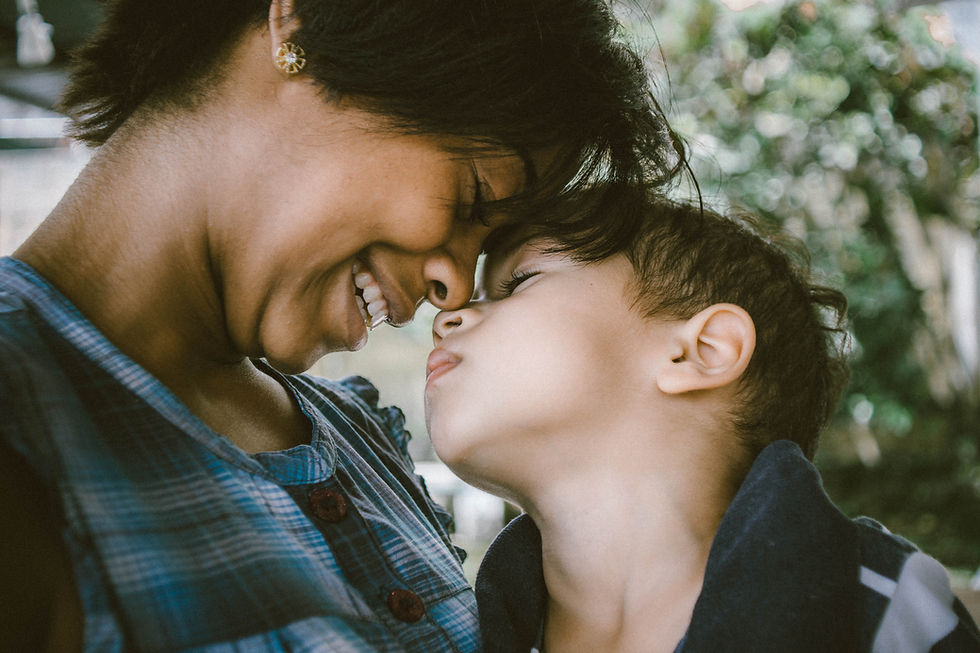
The best way to describe the difference between caretaking and caregiving is to quote Dr. Margaret Paul, the woman who taught me this powerful information. Here is her distinction:
“Caretaking is doing something for others with an outcome in mind ‒ they will love you, approve of you, give you attention, give you money, and so on. It is giving to get something back, as opposed to giving for the joy of giving. Caretaking always has an agenda attached, as opposed to caregiving and true giving. Caregiving is taking care of someone who cannot take care of themselves, such as a child or an old or sick person whom you have agreed to take care of. True giving is giving from the heart with no expectation of getting anything back. It’s giving purely from love.”
The hardest part of this is that most of us never learned the difference between what I refer to as our true selves and our ego. Therefore, based on what was modeled for us by our parents, we are often giving from our ego. Which then gets passed from generation to generation.
Our ego tends to be manipulative, while our true self has no expectations. Our ego believes people owe us if we have done something for them. This is a type of covert control. I do this, so you do that. This could be doing a favor, offering a compliment, giving someone our time and attention, or gifts. In each of these examples, giving is done with the expectation that the other person should respond in a certain way.
Think about your experiences as a child with your own parents or as a parent now with your child. How often is there an expectation of what a child should do based on something you did for them? A lot, correct? I hear these types of examples quite often.
“I give you a roof over your head, and you treat me that way?”
“After everything you got for Christmas, you still don’t think you should do your schoolwork?”
“I cleaned your room for you; the least you could do is thank me.”
“I drive you from place to place and give up my time, but you can’t even put your phone down and talk to me.”
The underlying belief is that if a parent does everything they should for their child (or everything my parent did or did NOT do for me), then my child will make “good” choices. Then I feel like I raised a good kid, which makes me feel worthy. Some parents even feel more loved when their child behaves in ways they expect them to. Many parents feel approval in their peer circles when their child makes “good” choices.
This is a cycle of codependency, though. Kids learn it quickly. And this often leads to many imbalances in family relationships. Remember Dr. Margaret Paul refers to caregiving as taking care of someone who can not do this for themselves, like children. So in families, we want to have more acts of caregiving than caretaking.
If we want to learn and shift these patterns, we have to be able to look at how we are showing up, without judging ourselves! Self-judgment shuts us down instead of being able to stay open to learning. When we can observe without judgment, we can then make changes and transform our actions and relationships!
Here are a few ideas of ways we may be caretaking instead of caregiving:
Making our kids’ (friend’s or partner’s) needs and feelings more important than my own
Giving in when I don’t really want to
People pleasing
Giving gifts with strings attached
Not saying what I really think or feel
Second-guessing myself and thinking I know what others need
Being overly nice
As parents, every day there are many ways you provide for your child’s health, safety, and well-being. When done by your true self, you give for the pleasure it gives you to provide for your child. There is no expectation of how they should respond. When giving from your heart, you don't leave an I owe you that must be repaid by your child. Love does not have an agenda.
If you are open to learning more about parenting from your true self and ways to shift out of caretaking, please reach out to me. I’d love to work with you and your family to learn healthier ways to share love. I believe when kids do not feel the expectations of what they are supposed to do, they have the freedom to be who they were born to be! This is the journey I am most passionate about supporting kids and parents with!
Betsy White, Executive Contributor Brainz Magazine
Betsy White is a Certified Holistic Life Coach and speaker supporting kids, parents and teachers to be empowered, confident and connected.
Having navigated childhood trauma, low self-esteem, numerous health issues, and dysfunctional systems at home and school, Betsy has dedicated her life to supporting kids, and the adults in their lives, navigating stress, anxiety, overwhelm and lack of purpose.
She draws on her expertise in psychology, human development, education, mindfulness and spirituality while using her extensive and diverse experience to guide clients to own their value, speak their truth, live their unique purpose, heal relational dynamics and create inner peace and resilience. In an ever-changing, technology and social media-focused world, she empowers people to turn inward to their true source of wisdom.
Betsy is the founder of The Life Coach 4 Kids, offering intensive family, parent and teacher programs, presentations and group experiences. People are transformed through the connection, love, intuitive insights, experience and soul journey Betsy guides them to take.