Aaron Byrnes – Reading the Table Before You Play the Hand
Aaron Byrnes did not start out chasing rugs and antiquities across borders. He started out on construction sites, mostly residential work, though he later picked up commercial plumbing jobs as well. It was practical work, the kind that teaches you to notice what is actually in front of you rather than what a plan says should be there. That habit of paying attention to the real conditions on the ground turned out to matter more than he expected.
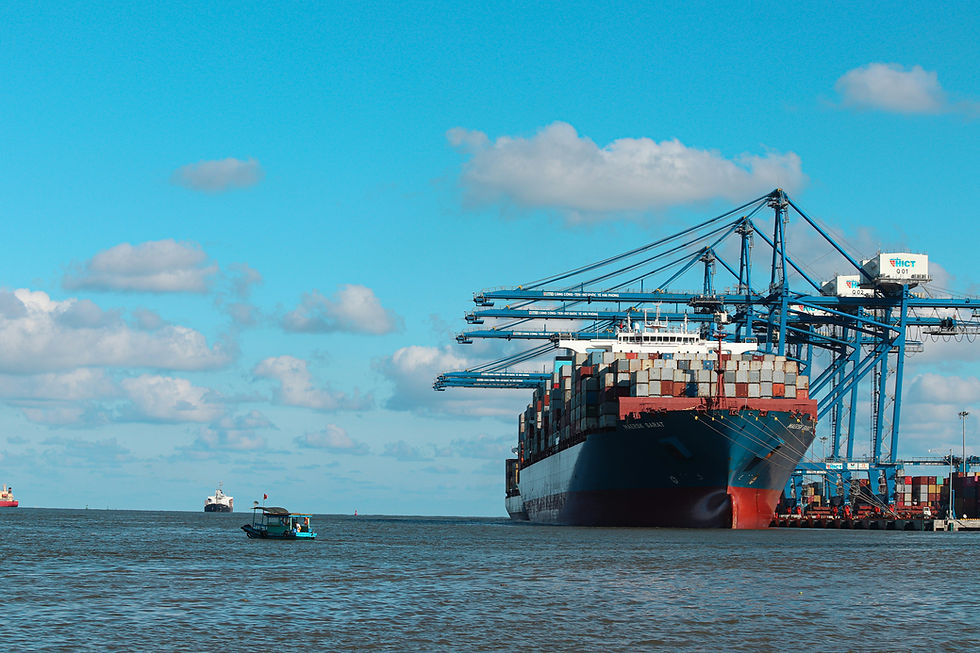
In 1990, everything shifted. Byrnes was introduced to the import-export business, and something clicked. He describes it as the moment the entrepreneurial spirit really took hold. He moved into trading rugs and antiquities, a field that rewards patience and a good eye, and one that has almost nothing to do with blueprints or pipe fittings. Looking back, though, he sees more overlap between construction and import-export than most people would expect. Both fields punish guesswork. Both require you to check the material in front of you before you commit to a decision.
The poker logic behind the deals
Ask Byrnes how he thinks about risk, and he will bring up poker before he brings up spreadsheets. His view is that risk versus reward in business is a lot like a game of poker: you play the person as well as playing the odds. A good hand means nothing if you cannot read who is sitting across from you.
That framework shaped how he approached import-export deals for years. Sourcing rugs and antiquities is not a business of fixed prices and predictable supply. It depends on relationships, on knowing which sellers are reliable and which buyers will actually close. Byrnes has said import-export is very similar to poker in that sense: the numbers matter, but the person across the table matters just as much. He carried that instinct with him as his business grew, treating every negotiation as a mix of arithmetic and human judgment.
It is a mindset that also shows up away from work. Byrnes is an avid pinochle player, and he plays poker as well, along with other games of chance. He does not treat cards as a separate hobby walled off from his career. For him, the games and the deals draw on the same skill: reading people, weighing odds, and knowing when to hold back.
Settling on the West Coast
In the early 2000s, Byrnes moved out to Southern California, where he has been living since. The move came after years of building his import-export business on the East Coast, where he was born and raised in Chambersburg, Maryland. His father worked as a plumber, and his mother stayed home, a household that valued steady, hands-on work over formal schooling. Byrnes went straight into working, first in construction and odd jobs, then into the trade that would define his career.
Southern California gave him a base to keep running the import-export work while building a life around the water. He picked up sailing, a pursuit that rewards the same close attention to conditions he learned on construction sites years earlier. He also became a regular at pickleball, added fine dining and travel to his list of interests, and kept his card games going on the side.
Staying off the noise
One detail stands out about how Byrnes runs his life outside of work: he generally stays off social media. In a field like import-export, where relationships and reputation move slowly and depend on trust built over years, he has not seen much use for chasing attention online. Instead, he gets his information from podcasts. He listens to NPR, Freakonomics Radio, the All-In podcast, and Here's the Thing with Alec Baldwin, among others, treating them as a way to keep track of economics and ideas without the pull of constant feeds.
It is a fitting habit for someone whose career has been built on reading situations rather than reacting to noise. From plumbing jobs to antiquities deals to a poker table, Byrnes has kept the same approach: watch closely, weigh the odds, and pay attention to who you are dealing with before you decide what the hand is worth.