6 Essential French Food Words Every Traveler Should Learn
Updated: Feb 20
Visiting France is a dream for many, especially food lovers. French cuisine, known for its rich history and variety, offers everything from croissants to hearty stews. To fully enjoy the experience, it's helpful to know a few key French food words for ordering and understanding menus.
Staying connected during your trip makes exploring easier. Consider getting a France eSIM plan for seamless internet access, allowing you to use your phone for maps, restaurant reviews, and menu translations, all without roaming charges. In this article, we'll share 6 essential French food words that you should know when traveling to France.
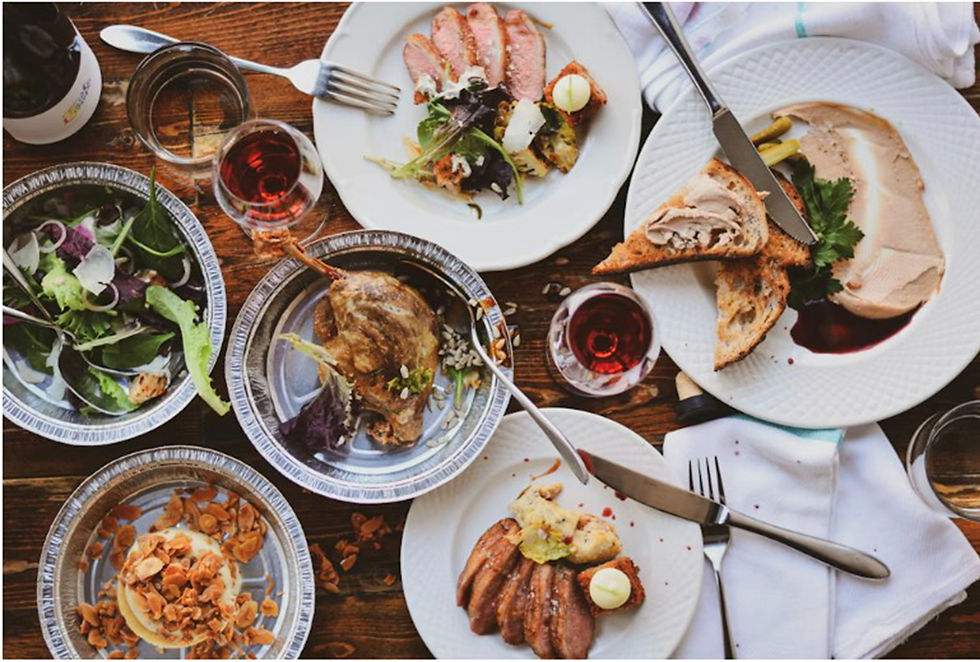
Here are the list of 6 essential French food words every traveler should learn:
1. Fromage is the French love for cheese
Cheese, or fromage in French, plays an essential role in the country's food culture. France has hundreds of types of cheese, each with its own unique flavor. Some popular ones include Brie, Camembert, and Roquefort. These cheeses are often served as part of a cheese board, in sandwiches, or used in dishes like quiches.
If you're not sure which cheese to try, ask locals or your server for suggestions. They will likely guide you to the best options to fit your taste. In France, more than just food, cheese is a cultural experience.
2. Menu to understand French dining
When dining out in France, you will often come across the word "menu." In French restaurants, a menu usually consists of several courses: entrée (starter), plat principal (main course), and dessert. Each course offers different choices, allowing you to sample a variety of French dishes.
Some menus also feature special dishes of the day, which can be a great way to try something new and unique. If you are unsure about what to order, don’t hesitate to ask your server for recommendations. A little knowledge of the menu can help you enjoy your meal to the fullest.
3. Soupe is a French tradition of comfort
Soupe, or soup, is another essential part of French cuisine. French soups range from light and flavorful broths to hearty, rich stews. One of the most famous French soups is soupe à l'oignon, or French onion soup. This dish is made with caramelized onions, a savory broth, and topped with melted cheese and toasted bread.
Other regional soups include bisque (a creamy seafood soup) and pot-au-feu (a beef stew with vegetables). French soups are comforting and often enjoyed during colder months, but they make a great starter for any meal.
4. Vin is essential in French dining
Wine, or vin in French, is another important part of the dining experience in France. Whether you enjoy a light white wine, a rich red, or even sparkling Champagne, France has a wine for every taste. The country is divided into several wine regions, each known for its distinct wines. For example, Bordeaux is famous for its red wines, and the Champagne region is known for its bubbly wines. Wine is often paired with meals to enhance the flavors of the food. While traveling in France, be sure to try a local wine that pairs well with the dish you choose.
5. Pâtisserie offers sweet pastries and desserts
Pâtisserie refers to the wide variety of sweet treats found in French bakeries. French pastries are famous for their delicate flavors and beautiful presentations. Some popular French pastries include éclairs, tarts, macarons, and mille-feuilles.
Visiting a pâtisserie is a must for anyone with a sweet tooth. Whether you’re trying a simple croissant or a more complex dessert, the quality of French pastries is unmatched. If you’re in France, don’t miss the chance to experience this part of the country's food culture.
Key French food phrases for easy ordering
Here are a few helpful phrases to use when dining out in France:
Je voudrais... (I would like...)
L'addition, s'il vous plaît. (The check, please.)
C'est délicieux! (It’s delicious!)
Avez-vous des plats végétariens? (Do you have vegetarian dishes?)
Learning these simple phrases can make ordering food easier and help you connect with locals while you enjoy your meals in France.
6. Bon appétit for wishing you a delicious meal
"Bon appétit!" is the French expression for "Enjoy your meal!" It’s a friendly phrase you will hear in almost every French dining setting, whether you're in a restaurant or at home. Saying this phrase is a nice way to show appreciation for the meal and to wish others a good eating experience. The French take their food seriously, and "Bon appétit!" reflects the importance of savoring each meal. It’s a simple yet meaningful phrase to remember when traveling through France.
Knowing these 6 essential French food words will help you have a more enjoyable and authentic culinary experience in France. From the iconic baguette to the delicious pâtisseries, you’ll have plenty of opportunities to taste the best French cuisine. Having access to reliable data through France eSIM plans is essential for staying connected and navigating the country seamlessly. Whether you're looking up restaurant recommendations or using maps to explore local sights. So, next time you’re in France, remember to try the local food, use these phrases, and don’t forget to say "Bon appétit!" before digging in!