3 Reasons Why Your Hormones Matter
Updated: Mar 1, 2023
Written by: Mary-Anne Bennett, Executive Contributor
Executive Contributors at Brainz Magazine are handpicked and invited to contribute because of their knowledge and valuable insight within their area of expertise.

Whether it's puberty, menses, fertility, pregnancy, perimenopause or menopause; women's hormones change continuously during their lives. The body controls the amount of each hormone needed for the many biological processes to keep you healthy, and hormones play a major role in regulating appetite, weight, and mood, amongst other functions. Fluctuations can make you feel like you are living on a physical, psychological, and emotional rollercoaster.
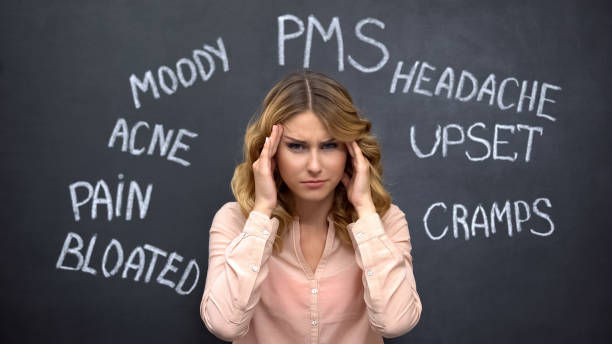
Signs you may have a hormone imbalance
Do you suffer from-
Endometriosis
Polycystic Ovarian syndrome
period pain
heavy menstruation
iron deficiency
PMS
sore breasts
mood swings
If you’re like me I had many of these symptoms and I was looking forward to menopause because, after all, once you've had your babies, hormones don't matter.
But what if they do matter?
In 2015, the doctors discovered I had a large cyst on one ovary and a large uterine fibroid which was why I was tired and anaemic.
So after doing the rounds of my GP, a hematologist, and a gynecologist, I was booked in for a hysterectomy and a unilateral oophorectomy ‒ removal of one of my ovaries.
This surely would resolve all my issues, including the anaemia, fatigue, and all the other menstrual issues. YAY for no more periods!
I thought having a hysterectomy was a good idea; the doctor advised it was routine and that I would be fine. At the time I didn't know any better, as I had just started my uni degree and trusted that my doctor knew best. But did he?
At university, I learned about human biology and biochemistry, and how hormones work in the body and I wondered if there was a connection. Despite my doubts, I went ahead and had the surgery, unaware of what was to come.
I was so busy studying, working, and caring for my kids, grandkids, and hubby, I didn't have time to notice. I ignored the subtle signs my body was giving me that something was wrong.
The first sign was weight gain, a dry vagina, loss of my sex drive, anxiety, insomnia, dry hair and skin, high cholesterol, my moods were worse and I was depressed and unmotivated. I had trouble concentrating on my studies, but most of all the fatigue was worse than ever. I felt wired but tired.
Can your doctor help?
When I went to my GP to discuss what was going on and asked about hormone testing, I was told there was no point, I wasn't having any more babies so they didn't matter. I remember thinking, how could a man understand anyway?
By now I had finished university and whilst I'm not a doctor, combined with my studies and personal experience, my gut was telling me that the doctor was wrong.
I realised I had to take the matter into my own hands and paid for DUTCH ‒which stands for dried urine testing for comprehensive hormones. And the results confirmed what I suspected, my hormone levels were in the toilet.
What could I do?
I spent months researching hormones, menopause, and the impact of hysterectomy on hormones. I tried a few natural ways to increase my hormones; there were a few improvements and some symptom relief, but I knew what I needed. My research suggested hormone replacement therapy should be my next choice, however, it had fallen out of favour and my doctor refused to give it to me.
But what I learnt about not having enough hormones and the impact that deficiency could have on my health really scared me. But the real shock was that I wasn't alone.
Why should you care?
Hundreds of thousands of women 30+ have a hysterectomy with or without an oophorectomy around the world every year, with Australian rates currently steady at 32,000 procedures annually. This surgical procedure is commonly performed between 30 and 50 years, with 1-in-3 women having a hysterectomy, of which 30% have both ovaries, (a bi-lingual oophorectomy) performed at the same time.
The consequences of hysterectomy and its impact on hormone levels are rarely discussed. I was never told that this surgical procedure could have a serious impact on my health long-term. I discovered that the body has hormone receptors on just about every cell in the body. And having reduced production, especially of estrogen, increases a woman’s risk of developing cardiovascular disease, osteoporosis, and Alzheimer’s Disease. Three common conditions that most people know are linked to aging, but when hormones are involved your risk is even higher. And there’s plenty of scientific evidence.
3 Ways Estrogen helps you live longer
1. Cardiovascular protection
Cardiovascular disease (CVD) is the leading cause of death among women, and females develop cardiovascular disease (CVD), on average, 10 years later than men. Studies suggest that women appear to be somewhat protected before the onset of menopause. This protection is associated with sex hormone levels; it also appears that the severity of cardiovascular disease (CVD) and coronary artery disease (CAD) is greatly increased in women who have had an oophorectomy compared to those with intact ovaries. Many years of research into female sex hormones have revealed that “Estrogen, the main circulating female hormone, is cardioprotective through a plethora of physiological and biochemical mechanisms".
2. Prevention of Osteoporosis
Osteoporosis and fracture prevention is considered to be a public health priority by the World Health Organisation (WHO). Osteoporosis primarily affects post-menopausal women, with an estimated 200 million affected worldwide. With 30-50% of postmenopausal women likely to suffer a clinical fracture in their lifetime, hip fracture risk is even higher at 70%. Studies by the Department of Obstetrics and Gynecology in both Italy and Chile have identified that estrogen deficiency is the primary factor in the pathogenesis of postmenopausal osteoporosis: the most common metabolic bone disease. Hormone Replacement Therapy (HRT), has demonstrated a rapid normalisation of bone turnover whilst preserving bone mineral density (BMD)
3. Protecting your aging brain
Aging is a biological process that is characterised by a progressive decline in physiological function and is accompanied by an increased susceptibility to disease. The main role of the brain is to enable biological homeostasis and to prevent the detrimental effects of aging throughout all bodily tissues. Researchers have discovered that whilst sex hormones, particularly estrogens possess potent antioxidant properties, and play important roles in maintaining normal reproductive and non-reproductive functions, " they exert neuroprotective actions during aging and that natural or surgical menopause is associated with mitochondrial dysfunction, neuroinflammation, synaptic decline, cognitive impairment and increased risk of age-related disorders". There is also a suggestion that "the loss of sex hormones may promote accelerated aging, leading to brain hypometabolism in menopausal women and prodromal Alzheimer's Disease (AD)".
Hormones really do matter
The truth about the vital role that sex hormones, particularly estrogen, play in the body opened up a pandora's box. With a family history of cardiovascular disease (CVD) (my father had a fatal heart attack at just 59 years old), combined with a genetic predisposition to Alzheimer's Disease, it was vital that I get the hormone replacement that I needed or else things could get hairy, really quickly, and my mortality could be at risk.
So the next time hormones come up in conversation with your doctor, or anyone else you know, you'll be able to help them understand that hormones are vitally important throughout all stages of life, especially beyond menopause.
Every day I help women, unlock the missing pieces of their health puzzle, and take control of their health, using the power of nutritional medicine.
I invite you to book in for a Free 30-minute consultation to discuss how working with me can set you on the path to long-term health and vitality.
Mary-Anne Bennett, Executive Contributor Brainz Magazine
Mary- Anne Bennett is a leading thinker on women's health, harnessing the power of food to overcome chronic illness. After suffering from a range of chronic health issues which doctors could not explain, Mary-Anne went to university to study nutrition at the age of 50 to learn how to heal. This decision ignited her passion to help others get to the root cause of their chronic health issues and find the path to healing. As Director and Clinical Nutritionist at Adelaide Nutrition and Wellbeing, Mary-Anne's success comes from her strong belief that chronic illness is not a normal part of aging. Using the principles of nutritional medicine, everyone can heal.
References:
Wilson LF, MEpi, Pandeya N, Ph.D., Byles J, Ph.D., Mishra GD, Ph.D.: Hysterectomy status and all-cause mortality in a 21-year Australian population-based cohort study: American Journal of Obstetrics & Gynecology; 220:83.e1-11, 2019.
Iorga A, Cunningham CM, Moazeni S, Ruffenach G, Umar S, Eghbali M: The protective role of estrogen and estrogen receptors in cardiovascular disease and the controversial use of estrogen therapy. Biology of Sex Differences; 8:33, 2017.
Gambacciani M, Levancine M; Hormone replacement therapy and the prevention of postmenopausal osteoporosis: Prz Menopauzalny; 3(4):213-220, 2014.
Zarate S, Stevnsner T, Gredilla R, Varela-Nieto I, Pike C, Labandeira-Garcia J, (2017) Role of Estrogen and Other Sex Hormones in Brain Aging. Neuroprotection and DNA Repair, Frontiers in Aging Neuroscience; vol 9, article 430.
Newman, M., Curran, D.A. Reliability of a dried urine test for comprehensive assessment of urine hormones and metabolites. BMC Chemistry 15, 18 (2021).