Why Biophilic Design is Reshaping the Future of the Built Environment
Paula Rose Castronova is a sustainability leader and speaker who turns complex concepts into practical action. She champions sustainability as a human issue, uniting strategy and everyday choices to align purpose with performance and inspire systemic, real-world change.

We spend nearly 90% of our lives indoors, yet our bodies and minds evolved over thousands of years in forests, grasslands, beside rivers, and beneath open skies. Today, we work under artificial light, breathe conditioned air, and spend hours looking at screens, surrounded by concrete, glass, and steel.
As rates of stress, anxiety, burnout, and chronic illness continue to rise, one question is becoming increasingly important: What happens when we design buildings that work with human nature instead of against it?
The answer lies in biophilic design, an approach that goes beyond adding a few indoor plants. It is a philosophy that recognizes our innate connection to the natural world and intentionally weaves nature into the places where we live, work, learn, and heal. Far from being a passing architectural trend, biophilic design can support biodiversity, improve productivity, strengthen resilience, and remind us that buildings should nurture people and the planet. As our cities continue to grow, designing with nature is no longer a luxury; it is a necessity.
What is biophilic design?
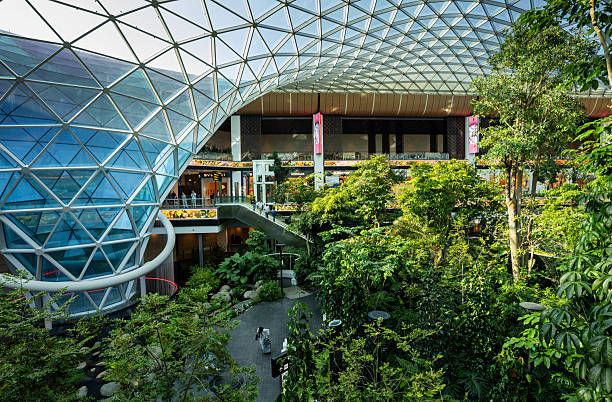
The term biophilia, meaning ‘love of life’, was popularized by biologist Edward O. Wilson, who proposed that humans possess an inherent desire to connect with nature and other living things. Biophilic design translates this idea into architecture, interiors, urban planning, and product design. Rather than treating nature as decoration, it positions natural systems as a fundamental part of how buildings function and how people experience them. This can include maximizing natural daylight, providing views of nature or water, incorporating living plants and green walls, using natural materials such as timber or stone, improving airflow through natural ventilation, designing outdoor gathering spaces, creating visual and physical connections to landscapes, mimicking natural forms, textures, and patterns, and supporting biodiversity through native planting. The objective is to create environments that simultaneously improve physical health, emotional wellbeing, and ecological performance, rather than merely creating green visuals.
Modern life has disconnected people from the natural environments that shaped human evolution. Urbanization has brought remarkable convenience, but it has also introduced challenges, including increased mental fatigue, rising stress levels, poor indoor air quality, reduced physical activity, social isolation, loss of biodiversity, and urban heat islands. The consequences extend beyond environmental degradation; they affect productivity, creativity, learning, healing, and overall quality of life. Research suggests that even brief interactions with nature may reduce cortisol levels, lower blood pressure, improve concentration, support healing, and increase positive emotions. Biophilic design seeks to embed these benefits directly into our everyday environments. Instead of requiring people to seek out nature after work or on weekends, it brings nature back into daily life.
The science behind biophilic design
Biophilic design is supported by decades of interdisciplinary research spanning neuroscience, psychology, medicine, environmental science, and architecture. Exposure to natural environments has been linked to reduced stress hormone levels, improved cognitive performance, faster recovery from illness, better sleep quality, increased creativity, improved mood, enhanced focus, lower absenteeism, and greater workplace satisfaction. Some studies of healthcare settings have linked natural light and landscape views with shorter patient recovery times. Schools designed with abundant daylight and access to outdoor learning environments have been associated with improved student concentration and academic performance. Workplaces featuring natural materials, real greenery, and daylight have reported higher productivity and employee engagement. Nature influences us physiologically, emotionally, and psychologically in ways that artificial environments often cannot replicate.
One of the biggest misconceptions about biophilic design is that it means filling a room with pot plants. In reality, it considers multiple dimensions of the human relationship with nature. ‘Natural light’ supports circadian rhythms, improves sleep quality, and boosts mood. Buildings that maximize daylight while controlling glare create healthier indoor environments. ‘Fresh air’, supported by natural ventilation, can improve indoor air quality and reduce reliance on mechanical systems. Operable windows, cross ventilation, and outdoor airflow can all contribute to healthier, more energy efficient buildings. ‘Living greenery’, such as plants, enhances aesthetics, softens built environments, and supports biodiversity. Green roofs and vertical gardens reduce urban heat while providing habitat for insects and birdlife. ‘Natural materials’, including timber, cork, bamboo, clay, natural fibers, and stone, create rich sensory experiences that synthetic materials lack. These materials bring warmth, texture, and authenticity into buildings and can carry lower embodied carbon than conventional alternatives, depending on their sourcing and production. The sound and movement of ‘water’ can reduce stress and encourage mindfulness. Fountains, ponds, rain gardens, wetlands, and other visible water features reconnect people with one of nature’s most calming elements. ‘Views of nature’ and access to parks, gardens, trees, and natural landscapes have measurable psychological benefits. Even framed views through windows can support improved mood and cognitive restoration. ‘Natural patterns’, including curved forms, organic shapes, fractals, and textures found in nature, help create environments that feel comfortable and restorative. These subtle design elements shape how people emotionally respond to spaces.
Biophilic design in the workplace and learning centers
The future workplace is no longer defined solely by technology; it is increasingly shaped by human experience. As organizations compete to attract and retain talent, workplace wellbeing has become a strategic priority. Biophilic workplaces can support better concentration, increased creativity, reduced stress, higher employee satisfaction, greater collaboration, lower absenteeism, and enhanced innovation. Natural meeting areas, rooftop gardens, outdoor workspaces, internal courtyards, and offices filled with daylight all contribute to healthier organizational cultures. The workplace of tomorrow is not about rows of desks but about designing environments where people can truly thrive.
Healthcare is one of the strongest expressions of biophilic design’s potential. Hospitals can often feel overwhelming, clinical, and stressful. Integrating natural elements can transform the patient experience through healing gardens, internal courtyards, views of nature from patient rooms, timber finishes, abundant daylight, quiet indoor spaces, and water features. These interventions can reduce anxiety for patients, families, and healthcare professionals while contributing to improved recovery outcomes. Children naturally learn through exploration, movement, and sensory engagement. Biophilic schools are designed to honor these instincts and include outdoor classrooms, nature play areas, productive gardens, natural ventilation, learning spaces rich in daylight, indigenous planting, and wildlife habitats. Students may benefit from improved concentration, emotional regulation, creativity, and environmental awareness and, importantly, may develop a deep and lifelong relationship with the natural world.
Biophilic cities for a changing climate
Biophilic design extends beyond individual buildings to shape entire communities. Cities around the world are embracing urban greening strategies such as green roofs, living walls, urban forests, pocket parks, rain gardens, blue and green infrastructure, streets lined with trees, and biodiversity corridors. These interventions deliver wide-ranging environmental and social benefits. They help reduce urban heat islands, improve stormwater management, increase biodiversity, enhance air quality, and create healthier, more inviting public spaces. As climate change accelerates, integrating nature into urban planning is no longer optional; it is a critical strategy for building resilient cities.
Biophilic design complements and strengthens broader sustainability objectives. While sustainable design often focuses on reducing environmental impact, biophilic design adds an equally important question: How can buildings actively enhance human wellbeing? They can support lower energy consumption, improve thermal comfort, reduce operational emissions, increase biodiversity, improve occupant health, strengthen community connections, and enhance resilience. This holistic perspective reflects the deeply interconnected nature of environmental, social, and economic sustainability.
Biophilic design works with nature, not around it
One of the most significant shifts in architecture today is the move away from seeing buildings as separate from ecosystems. Instead, buildings are increasingly understood as active participants in living systems. Imagine offices that support pollinators. Schools that harvest rainwater while teaching biodiversity. Hospitals where gardens are integrated into treatment. Residential communities where wildlife corridors connect neighborhoods. These ideas are no longer futuristic; they are already being realized around the world. The next generation of buildings will not only consume fewer resources but also actively contribute to healthier ecosystems and resilient, connected communities.
At its heart, biophilic design is about remembering something humanity has always known: Nature is not separate from us. It is the living context that makes our lives possible. For most of human history, our sense of safety, community, and meaning was shaped by the landscapes around us, our forests, rivers, coastlines, and open skies. Even as our daily lives have moved indoors and onto screens, our bodies and minds still respond instinctively to light, air, greenery, and natural rhythms.
Nature shapes how we think, feel, recover, collaborate, and flourish. Environments rich in daylight, fresh air, and organic textures help us concentrate, regulate stress, and build stronger relationships. Spaces stripped of these qualities often leave us depleted, distracted, and disconnected. In an increasingly digital world, reconnecting with nature is becoming a powerful form of innovation available to designers, developers, business leaders, and policymakers, providing a practical strategy for health, performance, and resilience. Technology will continue to transform our buildings. Sensors, software, and smart systems can optimize how buildings operate; they cannot create the feeling of walking through dappled light, hearing water, or watching trees move in the wind in the way that natural environments can. When we treat nature as a design partner rather than an afterthought, we unlock new possibilities for spaces that feel both high performing and deeply humane. Buildings of the future will do more than shelter us; they will restore us.
Biophilically designed spaces that give back
The future of design isn’t about constructing smarter buildings; it’s about creating places that enrich life. Whether you’re an architect, designer, developer, business leader, policymaker, or homeowner, every decision is an opportunity to strengthen the relationship between people and nature. Ask yourself: Does this space simply function, or does it help people flourish? Begin with simple but meaningful shifts: maximize natural light, introduce native planting, specify sustainable natural materials, create access to outdoor spaces, and prioritize biodiversity in every project. Individually, these choices may seem small, but together they shape healthier buildings, stronger communities, and more resilient cities.
These decisions are not about visual appeal alone; they shape how we feel, think, and behave every day. A sunlit stairwell can encourage movement and casual connection. A courtyard with trees and birdsong can become a place of restoration between meetings. A balcony planted with native species can provide habitat for pollinators while giving residents a daily reminder that they are part of a living ecosystem, not separate from it. As we confront the challenges of climate change, urbanization, and declining wellbeing, biophilic design offers far more than an aesthetic solution. It provides a blueprint for a future in which our built environments regenerate ecosystems, support human health, and inspire a deeper appreciation of the natural world. It invites us to measure success not only by energy ratings or floor area but also by the quality of light people experience, the air they breathe, the views they enjoy, and the sense of calm and connection they feel in the space.
When we design with nature, we don’t just create better buildings; we create a better way of living. We create places that help people slow down, notice seasonal change, feel rooted in their communities, and remember that thriving human life depends on balanced natural systems. In doing so, design becomes not just a technical discipline but a powerful form of stewardship for both people and the planet.
Read more from Paula Rose Castronova
Paula Rose Castronova, Global Sustainability Voice
Paula Rose Castronova is a sustainability leader, speaker, and holistic thought architect transforming how people and organizations respond to today’s defining challenges. With a career rooted in creativity, design, storytelling, and leadership, she turns complex sustainability ideas into clear, actionable pathways. She sees sustainability as fundamentally human, shaped by how we live, lead, consume, and connect. As an Active Sustainability Director, she identifies opportunities where others see obstacles, using systems thinking to link environmental, social, and economic issues. Through her writing, speaking, and strategy, she bridges policy and daily action, turning knowledge into meaningful change.