

How to Get Your First Personal Training Clients After Qualifying
Written by Brendon Kawondera, Personal Coach
Brendon Kawondera is a London-based personal trainer and educator on a mission to elevate the fitness industry. With a thriving in-person business, he helps trainers master their craft and build successful careers. Passionate about real-world coaching over online trends, he focuses on skill, confidence, and professionalism to set trainers apart.

You’ve passed your personal training qualification. You understand the fundamentals of exercise, you’ve completed your assessments, and you’re ready to start helping people. Then reality hits.
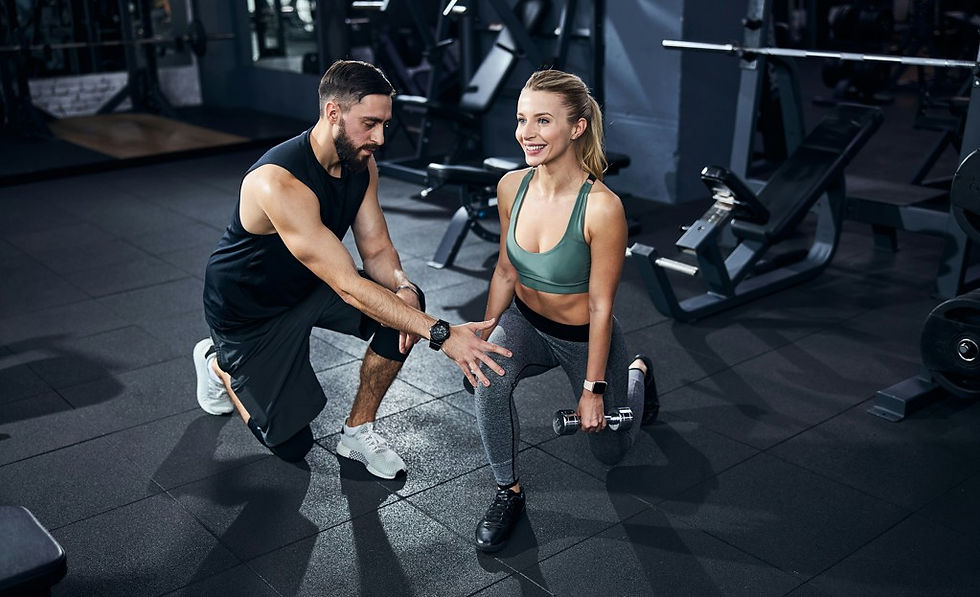
I remember that day after day following my qualification, my confidence slowly started to disappear. All the energy I had while studying was gone. You walk into the gym and wonder how you’re supposed to find your first client. Do you approach people? Start posting on Instagram? Offer free sessions? How do you promote yourself without feeling as though you’re constantly trying to sell something?
If you’re a newly qualified personal trainer asking these questions, you’re not alone. Qualification gives you an important foundation, but finding clients and building a business require a different set of skills.
The good news is that you don’t need thousands of followers, expensive marketing, or a perfectly polished brand to begin. You need to understand the people you want to help, learn how to communicate with them, and take consistent action.
1. Stop waiting until you feel ready
One of the easiest mistakes to make when starting is believing you need more confidence before you can approach potential clients.
You might compare yourself with experienced trainers who seem comfortable speaking to everyone. They know the gym members, communicate naturally, and appear to have everything under control.
It is easy to forget that they had a first day, too. You don't need to have full confidence before you begin. It can develop through practice, reflection, and experience.
Start with simple conversations. Introduce yourself to people at your gym, learn their names, and become comfortable explaining what you do. You don’t need to turn every interaction into a sales opportunity. Your first objective is to become approachable and familiar, not to convince everyone to buy personal training.
2. Make your value easy to understand
Imagine someone asks what you do, and you respond by listing your qualifications, specialist certifications, and knowledge of exercise science. Those things might be important, but the person you’re speaking to may still not understand how you can help them.
Try explaining your work in terms of the people you serve and the problems you help them address. For example, “I help people build strength, improve their fitness, and develop a routine they can maintain.” Your explanation should reflect your actual expertise and the clients you are equipped to support.
As you gain experience, you can become more specific about your ideal client. Perhaps you enjoy helping beginners feel comfortable in the gym, supporting busy professionals, or coaching people who want to build strength.
You do not need to have your entire business niche figured out immediately. Start with a clear explanation of your service, then learn from the people you work with.
3. Learn to find opportunities where you already are
Social media can be useful, but it is not the only way to find personal training clients. If you work in a gym, you are already in an environment where people are investing time in their health and fitness.
Build relationships with gym staff and other trainers. Ask management about appropriate ways to introduce yourself to new members. Be helpful when someone asks a question, while respecting their space and your professional boundaries.
You might also explore local fitness classes, community events, or partnerships with relevant businesses. The principle is simple. Create opportunities for people to get to know you.
That doesn’t mean approaching strangers with an unsolicited pitch or giving away your expertise indefinitely. It means being visible, approachable, and professional enough that someone who needs your service can feel comfortable starting a conversation.
4. Practise the conversation that could lead to a client
When someone shows interest in personal training, resist the urge to explain everything you know.
Ask questions first.
What are they hoping to achieve?
What have they tried already?
What do they find difficult?
What kind of support are they looking for?
Listen to their answers before explaining your service.
A person who wants to become stronger after years away from exercise may need a different conversation from someone who already trains regularly but struggles with consistency.
Your role is to understand whether you can help and explain how your coaching might support their goals. If the person is interested, arrange an appropriate consultation where you can explore their needs, health considerations, expectations, and suitability for your service.
Not every conversation will lead to a client. That is normal. A professional approach respects the other person’s decision and helps you develop your communication skills along the way.
5. Build a reputation before you try to build a following
You can post useful content online without trying to become an influencer. Share simple explanations of training principles, common mistakes beginners make, and practical ways people can approach exercise. Let your content reflect your coaching standards and your understanding of the people you help.
You can also ask satisfied clients for honest feedback or testimonials, with their permission and without promising results you cannot guarantee.
Remember that your online presence and your real-world behaviour should tell the same story. If you promote yourself as a thoughtful, professional coach, people should experience those qualities when they interact with you.
A large audience can be valuable, but follower numbers alone do not demonstrate trust or generate a sustainable business. Focus on reaching people who are genuinely interested in what you offer.
6. Give yourself a practical challenge this week
If you are unsure where to start, keep things manageable.
Introduce yourself to five people at your gym.
Have three genuine conversations with people you don’t usually speak to.
Practise explaining who you help and how you work.
Identify two opportunities to become more visible in your local fitness community.
At the end of the week, reflect on what went well and what you want to improve.
These activities will not guarantee you a client by Friday. Their purpose is to help you develop the habits that make finding clients less intimidating over time.
Track your conversations, enquiries and consultations so you can learn which activities are creating opportunities.
Most importantly, do not mistake an uncomfortable first attempt for evidence that you are not suited to the profession. You are learning.
Your qualification is the beginning
Building a personal training business involves more than knowing how to programme a workout. You must learn how to communicate, build relationships, conduct consultations and deliver a service people value. These skills develop through a combination of education, practical experience and honest reflection.
That is one of the principles behind Personal Trainer UPGRD, my professional development project focused on helping personal trainers bridge the gap between qualification and building a sustainable business.
If you’re looking for more structured guidance on developing your confidence, coaching skills, and business foundations, you can explore Personal Trainer UPGRD here.
You don’t have to know everything today. Start by taking the next useful step, learn from the experience, and keep improving.
Read more from Brendon Kawondera
Brendon Kawondera, Personal Coach
Brendon Kawondera is a London-based personal trainer, educator, and entrepreneur committed to raising the standard of the fitness industry. With years of hands-on coaching experience, he has built a thriving in-person business by focusing on real results rather than trends. He helps personal trainers develop the skills, confidence, and professionalism needed to excel in their careers. Unlike many industry voices pushing online coaching, he believes the gym floor is where great trainers are made. Through his coaching, courses, and educational content, he empowers trainers to refine their craft and build sustainable, high-value businesses.


