2 Reasons Why It’s Time To Put An End To Generational Childhood Trauma
Updated: Jun 19, 2022
Written by: Emily Cleghorn, Executive Contributor
Executive Contributors at Brainz Magazine are handpicked and invited to contribute because of their knowledge and valuable insight within their area of expertise.

Generational Childhood Trauma… What is it exactly? Generational childhood trauma occurs through generations of a family when there are unresolved emotions that occur after a traumatic event (abuse, neglect, sudden loss, etc.).
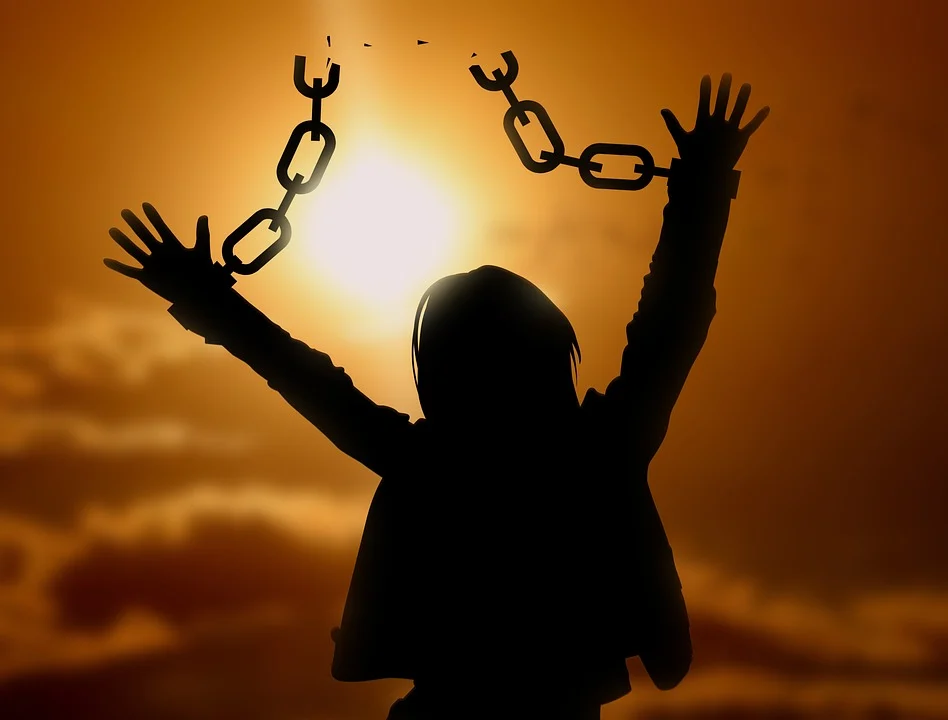
Modern society has done a really good job at not talking about it and teaching our children to not talk about those negative or bad emotions. We just ignore it in the hopes that it goes away. Which it doesn’t because what you ignore, just continues. That’s where the expression “hurt people, hurt people” comes from but it’s time to stop ignoring it. It’s time to say enough is enough. Let’s first get really clear on why it matters so much to break the cycle so that we’re all on the same page. When a family or individual has unprocessed trauma, it could be by choice that they don’t work through it or an inability to work through it because it's so painful but what’s important to know here is that this trauma and the emotions resulting from it store themselves in the body organs and they also have the power to alter DNA. Have you ever heard the expression, “your biography creates your biology”? This expression is simply stating that your biography or your story creates your biology. Unprocessed trauma is stored in your body systems and is manifested in physical and mental health issues when you don’t allow those emotions to be expressed as emotion. Another reason why it’s so important to break the cycle of generational childhood trauma is that it shows up through parenting methods, limiting beliefs, behaviours and other interactions. This is done either intentionally or unintentionally. Kids are smarter than adults often give them credit for. They are very much like little sponges. They are constantly observing how the adults in their lives interact with each other, how they treat themselves, how they speak, etc. and they mirror that behaviour. Which also means that they will eventually have to work through the trauma that’s being past down to them as well as any trauma that happens directly to them. So, what now? We heal. When we do the work to empower ourselves, we’re also doing the work to empower others in our family line. When we say enough is enough, we are breaking the curse of trauma on our families. Hurt people don’t have to hurt people. They can make a new choice.
Emily Cleghorn, Executive Contributor Brainz Magazine
Emily Cleghorn is a Life Reclamation coach, Amazon best selling author and keynotes speaker with a heart to help her clients to rise from the ashes of their past trauma and step into their mamahood with fierceness and confidence. Having been on her own healing journey, Emily is able to hold a space for her clients that helps them feel accepted fully as who they are and held accountable so that they are able to create the change they are craving in their lives. In her book, “Rising from the Ashes: How to Reclaim your Life after a Traumatic Childhood”, Emily outlines her framework for overcoming childhood trauma and teaches readers how to break the chain holding them back and to step into their purpose.