

Beyond The Impact – Plasticity Centers Therapies For Concussion Relief And Recovery
Written by: Dr. Shaun Kornfeld and Dr. Derek Barton, Executive Contributor
Executive Contributors at Brainz Magazine are handpicked and invited to contribute because of their knowledge and valuable insight within their area of expertise.

Concussions often result from traumatic brain injuries and can lead to a wide range of outcomes. While most individuals fully recover within a few weeks, some may experience persistent symptoms that disrupt daily life. In this article, we will delve into the concussion process, strategies for symptom management, and the specialized treatments – including infrared laser therapy, vagal nerve stimulation, and vestibular rehabilitation – offered by Plasticity Centers, that can be beneficial for individuals dealing with persistent concussion-related challenges.
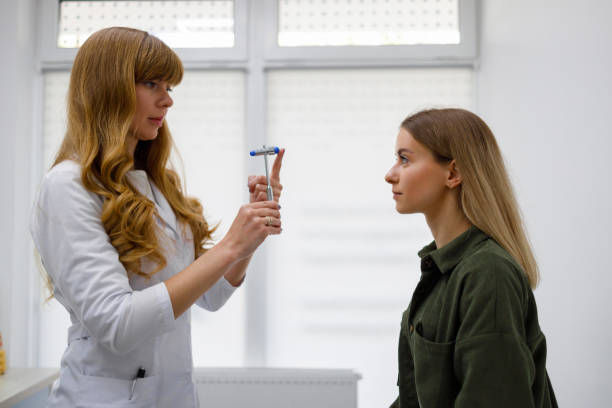
What happens during a concussion?
A concussion arises from sudden head jolts or impacts, causing a disturbance in brain function. Key physiological changes during a concussion include:
Cellular Damage: The impact can result in the rapid movement of the brain inside the skull, potentially stretching and shearing brain cells, leading to damage.
Chemical Changes: Concussions trigger chemical imbalances in the brain, affecting neurotransmitters, like glutamate and calcium, which disrupt communication between brain cells.
Metabolic Changes: Concussions lead to metabolic shifts, including altered blood flow and energy metabolism, affecting brain function.
Common concussion symptoms
Typical concussion symptoms include:
Headaches or pressure in the head
Dizziness or balance issues
Nausea or vomiting
Sensitivity to light and noise
Cognitive difficulties, like confusion or memory problems
Sleep disturbances
Mood changes, including irritability or anxiety
Fatigue
Managing persistent concussion symptoms
For individuals grappling with persistent symptoms, known as post-concussion syndrome (PCS), a multifaceted approach can be beneficial:
Seek Professional Evaluation: Consult a healthcare professional, preferably a specialist in neurology or sports medicine, for a comprehensive assessment.
Rest and Gradual Return to Activity: Adequate rest during the weeks following a concussion is crucial. Gradually reintroduce physical and cognitive activities under professional guidance.
Symptom Management: Medications and therapies can help manage specific symptoms, and vestibular therapy may address balance and dizziness issues.
Cognitive Rehabilitation: Cognitive rehabilitation therapy focuses on improving memory, attention, and problem-solving skills.
Lifestyle Adjustments: Maintain a regular sleep schedule, manage stress, and adopt a balanced diet.
Patience and Support: Recovery from a concussion, especially with persistent symptoms, can be a gradual process. Seek support from friends and family to cope with emotional challenges.
The role of Plasticity Centers' therapies
For those grappling with persistent concussion symptoms, Plasticity Centers offers innovative treatment approaches. Their specialized therapies, such as infrared laser therapy, vagal nerve stimulation, and vestibular rehabilitation, are customized to address individual needs:
Infrared Laser Therapy: This therapy uses low-level infrared laser light to stimulate cellular repair and reduce inflammation in the brain, potentially aiding in symptom relief.
Vagal Nerve Stimulation: Vagus nerve stimulation involves the use of a small device to send electrical impulses to the vagus nerve, potentially modulating brain activity and reducing symptoms.
Vestibular Rehabilitation: This specialized therapy targets issues related to balance and dizziness, which are common in individuals with concussions. It aims to improve vestibular function and alleviate associated symptoms.
Plasticity Centers offers these therapies as innovative ways to address persistent concussion-related symptoms and promote full recovery. To learn more about the different therapy solutions offered, please click here.
Conclusion
Plasticity Centers support individuals through the frustration and lasting impact of concussions, particularly when debilitating symptoms persist. When one has an understanding of the concussion process, seeks professional help, and considers specialized therapies like infrared laser therapy, vagal nerve stimulation, and vestibular rehabilitation at Plasticity Centers, it is possible to significantly improve prospects of recovery. Every recovery journey is unique, but with the right support and innovative treatments, there is hope for those dealing with persistent concussion-related challenges. To learn more about the services offered by Plasticity Centers, visit their website.
Dr. Shaun Kornfeld and Dr. Derek Barton, Executive Contributor Brainz Magazine
Shaun Kornfeld, DC, DACNB, FACFN, FABVR is an experienced chiropractic neurologist and functional neurology practitioner. He sits on the board of directors for the Brain Injury Alliance of Colorado and is the lead clinician at our Colorado center where he manages the care of patients and ensures Plasticity’s methods exceed their expectations. Derek Barton, DC, DACNB, FABBIR is the Director of Operations and Compliance and the Lead Clinician at Plasticity Centers of Orlando. During his career, he has worked as a clinician specializing in brain injury rehabilitation working with complex neurological cases, athletes, and celebrities.



