The Secret To Managing Chronic Health Issues ‒ Here’s The Recipe For Wellness
Written by: Leslie Parran, Executive Contributor
Executive Contributors at Brainz Magazine are handpicked and invited to contribute because of their knowledge and valuable insight within their area of expertise.

Managing your health can be a recipe for success…or disaster. When sorting through information on the internet, separating fact from fiction can be daunting, to say the least. Not only that, but taking all that information, putting it together correctly, applying it to the right situation, and the correct set of conditions puts you in the best position to achieve a positive outcome. So, there are some secrets to managing a chronic health condition. It’s a recipe for wellness.
When challenged with chronic symptoms or health issues, we desire a plan that will help us achieve the highest probability of success in the shortest possible time. The problem is, that a chronic health condition doesn’t appear overnight. When you are feeling frustrated with chronic symptoms, it can be even more overwhelming to sort out the best approach.
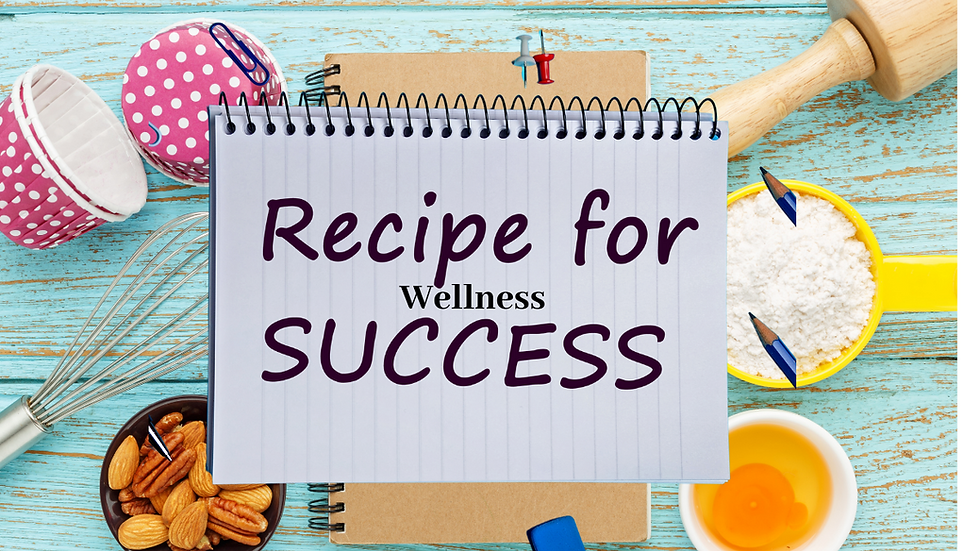
While you may select the most qualified professional to help you with your health issue, the reality is that it will take time and effort. While you may see some short-term wins, most likely reversing any chronic symptoms can take some time. The secret is to approach it like a recipe. Taking the time to select quality ingredients, adding them at the right time, and in the right sequence can make all the difference. If the specific recipe is not working, a provider should be monitoring and adjusting your protocol to help you achieve success.
Adjusting a protocol too quickly and not giving it enough time to "bake”, can also be an issue. Have you ever made a recipe and not added the ingredients or baked it according to the recipe? It can result in your baked goods not rising correctly or achieving the appropriate consistency. Recipes, called protocols (or care plans or treatment plans) in the medical world, can help individuals with their specific conditions. Some are well researched and others may be known to be helpful to a practitioner’s clients based on experience.
What often gets missed in applying a standard protocol to a client situation, is adjusting for individual factors. Expert chefs are master bakers and know how different ingredients and substitutes such as gluten-free flours may alter a recipe. They also know what can be substituted in a recipe or what changes may result in a recipe disaster.
A trained practitioner considers whether a certain piece of a protocol may not work for their clients. They also consider whether altering a sequence or substituting any particular part of a protocol may also impact an expected outcome. A trained practitioner is best qualified to make a judgment and should discuss the pros and cons of this with their client. Clients should also feel comfortable asking questions and expressing their concerns, past experiences, or current responses.
So, what’s the secret to managing a chronic health condition? Let’s get to the recipe part.
Ingredients: Start with the right ingredients. Note that the quality of the ingredients is important to the outcome of the final product.
1 Client-Needs to desire a change in their current health condition and know why it’s important to them to change it.
1 Expert functional practitioner who is experienced in helping manage conditions and symptoms reported by the client.
1 or more referral specialists based on your specific condition as needed/desired. This could include health coaches, physical therapists, chiropractors, acupuncturists, etc.
Quality lab testing-This may include both traditional and functional testing. Testing helps to “test, not guess” what may be contributing to the client's health concerns.
Quality supplements without added fillers as recommended by your practitioner
Equipment and Tools Needed:
Consultation-This is a process where you consult with a potential practitioner to determine if there is a mutual fit to address your health concerns.
Lab tests-Initial lab tests identified through the consultation for the client
Protocols-One or more approaches used by a practitioner to help the client rebalance their body to address their symptom(s) or health condition{s}.
Resources- This would include things such as food selection guides, handouts, recipe cards, diet logs, exercise logs, exercise apps, etc.
Communication tools/records-Means of a practitioner communicating with the client and documenting the discussion and plan.
Preparation and Instructions
Make sure you have a qualified practitioner-A qualified practitioner is knowledgeable, and not hesitant to refer to other experts. They also don’t use the same program or protocol over and over without personalizing it to a given client. This person should be trained in general health principles as well as have training and experience in helping others to manage chronic symptoms and or disease. It is also important to consider that practitioners are trained differently. For example, most traditional providers have little to no training in diet and nutrition. So, assure that they have resources to refer a client to who may have training in an area where you need support is important.
Be an active participant in developing your personalized plan- You know your body best. Be an active participant in discussing any protocol or plan to address your health issues with your practitioner. Check-in to see or discuss any concerns you have that may seem to conflict with other recommendations you have received. Track your responses and plan what you would like to review and discuss on your next visit with your practitioner. Bring a list of questions to the visit.
The sequence is important-Deciding on a plan can mean one or more protocols. Carrying them out is not always a simple linear process where things are sequenced one after another. Sometimes, a protocol provides for the sequencing of different parts of the protocol or sequencing of different protocols that could be overlapping or continuous. This can seem very confusing but it’s important to know that sometimes it’s important to address certain parts of a condition first. For example, an individual may benefit from a protocol to address their diet and energy balance first, before addressing any gut pathogens or an exercise plan. Discussing this with your practitioner is important. Implementing plans too quickly or all at once may lead to worsening health issues.
Expect protocol adjustments-Because we are individuals, it is expected that our bodies may respond differently to protocols. While one person may tolerate a protocol well, another may need to take it more slowly or have reduced doses of supplements. This could be a process where they work up to full dose, or in some cases, may need their practitioner’s guidance on substituting another product or adjusting a plan. This is normal and expected. Practitioners should be checking in with their clients to see how they are responding to a protocol or plan.
Find the support you need-Following a complicated recipe or protocol can be overwhelming. Having the right resources can help you to better understand and stay on a plan. Support from not only your provider, but a health coach, family, and friends can make a difference in keeping you moving forward with your wellness plan.
Summary
It would be great if there was just one recipe for wellness. But just like there are different types of food recipes and ingredients, there are different health conditions and individual responses to protocols. Having the right ingredients, preparation, and instructions as you work with your practitioner can help you to achieve a successful outcome.
Follow me on Facebook, Instagram, Linkedin, and visit my website for more info!
Leslie Parran, Executive Contributor Brainz Magazine
Leslie Parran is a leader in natural holistic healing from inflammation and pain. As a nurse for 40 years with advanced nursing certifications, Leslie helped patients with chronic diseases and pain. Now as a Board-Certified Functional Wellness Coach and Functional Diagnostic Nutrition Practitioner with several other holistic and functional practitioner certifications, she helps active and motivated people with chronic inflammation and pain move from pain to peace so that they feel better, move better, and live better.
Leslie is the Owner and Champion Peacemaker of Peace x Piece Wellness coaching. As a functional practitioner, she uses in-home lab testing to uncover hidden metabolic healing opportunities such as food sensitivities, hormonal imbalances, gut pathogens, and toxins that can sometimes, unknowingly, lead to inflammation, pain, and chronic health conditions. As a health coach, she uses positive psychology and personalized holistic healing protocols, including diet, rest, exercise, stress management, and supplementation, to help her clients make their bodies work the way they are supposed to and achieve their wellness goals.