Influential In 21 Minutes Or Less
Written by: Nate Hager, Executive Contributor
Executive Contributors at Brainz Magazine are handpicked and invited to contribute because of their knowledge and valuable insight within their area of expertise.

This will probably take you less time, but I like odd numbers.
When people find out what I do I often get the urgent “I have this really important meeting/business pitch/date tomorrow and I need to do amazing at it. Can you help me?” Usually, they don’t have much time to practice so I show them a few high-value skills they can start with. Skills that will give them a serious edge with only a little bit of time investment.
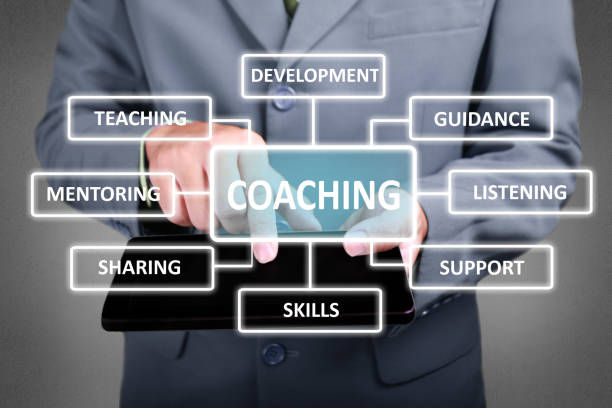
To make this easy I’ll walk you through three major components of the critical layers of conversational persuasion. We’ll start with state control and once you feel comfortable being able to turn it on and off, we’ll add in the one-two punch of rapport and trance words.
The first and most important element is state control, this is simply a mix of what you’re running mentally, emotionally and physically. We start here because this is what controls your tone of voice and body language. If your state isn’t congruent with your words that finely crafted message just gets foggy and won't have the impact it needs. Who believes their crying child when they try telling you they aren’t upset?
The first step is picking a state that makes sense for the situation. You might want to feel accomplished and relaxed during that job interview, right? Likewise, feeling confident when pitching your idea to the board is a plus. Having a sense of curiosity when exploring a new strategic plan could be of benefit, and if you’re on that date may be a playful state would be desirable.
Once you’ve decided on the state you want to be in, start by imagining a projection of yourself standing in front of you clearly demonstrating that state. Tap into all the detail you can on how that you stand, moves, sound and engages with others. The more detail you’re envisioning, the more your mirror neurons will actually copy the imaginary you and change your own physical posture and presence. Focus on how your emotions have changed as your posture starts to shift, really get in touch with that. If this is your first time doing a visualization exercise, hold onto it for a solid few minutes and let it crystallize.
Once you can feel it emotionally and physically, pretend to double it. As you feel that increase take a step forward, stepping into the desired projection. Here I want you to picture seeing yourself in the event and interacting with the people there. Really have fun with this process the situations and conversations in this event are exactly in your wheelhouse the mind will lock onto it even more effectively. Now, step back out of the projection and repeat the process. This time make any changes you want in how you’d like to see, hear and feel yourself before you step back in. Ideally, you want to do this 5-10 minutes before your meeting or event. The best part of this hack is that it’s portable. Anytime you need that state again simply imagine you have the projection in your pocket. You can take it out and pop it up in front of you, and then step back into that state so it can be activated again.
The next level of powerful persuasion is to add in rapport. NLP has many techniques to generate rapport and most of them take months to practice and master the fundamental skills, but I’m going to spell out a secret lesser-known method that works really well for those with much less time to devote. This hack is going to seem ludicrously simple and hinges on one little thing, but I guarantee you it’s enormously effective for the short period of time you need it to be.
With every fibre of your being mind and body – believe that the person right in front of you is the most fascinating individual in the world. When I say belief, I mean to go beyond pretending. Now for some, this will be easier to do than for others, some individuals are just people enough that they can easily tune in to someone else. For those of you a little less socially focused recall your fascination over the last gadget or concept that held you rapt.
Holding this idea as congruently as you can allow your subconscious to get in sync with that person, and your level of rapport with them will skyrocket. This method also has the silver-lining of laser focusing your attention, conveniently drawing you out of your own headspace instead of worrying if they noticed that coffee stain on your shirt. Hey, I love my coffee so it’s a hazard, but you get the picture. When your mindset radiates curiosity it makes the other person feel interesting and special, and this is a very critical aspect of mastering the traits that make up the charisma pattern.
The last piece of the puzzle is trance words – think buzzwords – but not yours, theirs. These words have a powerful connection to how a person describes something that’s of value to them, and they are unique to each individual. The Linguistic part of NLP is quite potent since it uses language to change patterns in our thinking. NLP can also be used to gain understanding into how others think, it was after all born out of the need to model and replicate success.
Let’s say you’re going into a meeting to pitch an idea, you showed up early, or you’ve had some previous contact with the decisions makers. You could ask what excites them about their company, or why they love a certain hobby or field of interest. What you get back will be select words they use often to describe what they really like, this is the gold nugget.
Remember the part about being curious about the other person? It’s why this is so important because if you’re genuinely doing this you can observe how their facial expression and voice tone changes when they use certain keywords – their trance words. Now you have the right vocabulary to use when describing yourself and your abilities.
If they ask why your services are different? You can reply I offer a <insert trance word> service that you won’t find anywhere else. Trance words can be used to describe a product, a service or yourself. What you’re doing is simply taking their specific adjective, which is tied to feeling that they have a high level of attachment to and using it to highlight yourself. You may ask them to elaborate, you can even ask what else they like in order to discover more trance words. You’re simply showing curiosity, naturally.
If someone was to describe a project that interests them as challenging, you would hear their tone of voice changing with the use of the trance word, or they would tend to use that word frequently. Now watch what happens when you describe what you’re working on as challenging. You’re creating engagement not only on a verbal level but also forming an extremely powerful connection through what that word means to the other person. Don’t be surprised if you become more memorable to them and are seen as special.
The secret to learning this effectively is to have fun with it. If you don’t nail it perfectly the first time that’s ok. In NLP we’re big on the concept of there is no failure, only feedback. The more fun you can have experimented with this the faster it will become an everyday skill. Happy learning!
If you have any questions, please contact me at nate@getpastit.ca.
Nate Hager, Executive Contributor Brainz Magazine
Nate is a board-certified Hypnotist, an NLP Master Practitioner, master level Executive Coach and Certified Life & Health Mindset Coach. Over the last ten years, he’s worked with Fortune 500 executives and entrepreneurs helping them eliminate self-sabotage to achieve peak performance, raise their earnings potential and build business empires. Appearing on Rogers Business TV and 98.5’s Good News Only Show, he’s passionate about underscoring the benefits of hypnosis in building a fitness mindset, reducing stress and anxiety, weight management and personal performance. His techniques have shaped the lives of his clients by helping them redefine their identities and bounce back from major life stressors.